

Construction, manufacturing and energy all depend on open-deck transportation for large and irregular freight, so demand for flatbed loads keeps growing. Flatbed trucking offers flexibility, often better rates and steady demand across many US regions, and drivers who master freight securement are well placed to build steady operations and long-term profit.
Is Flatbed Trucking Profitable?
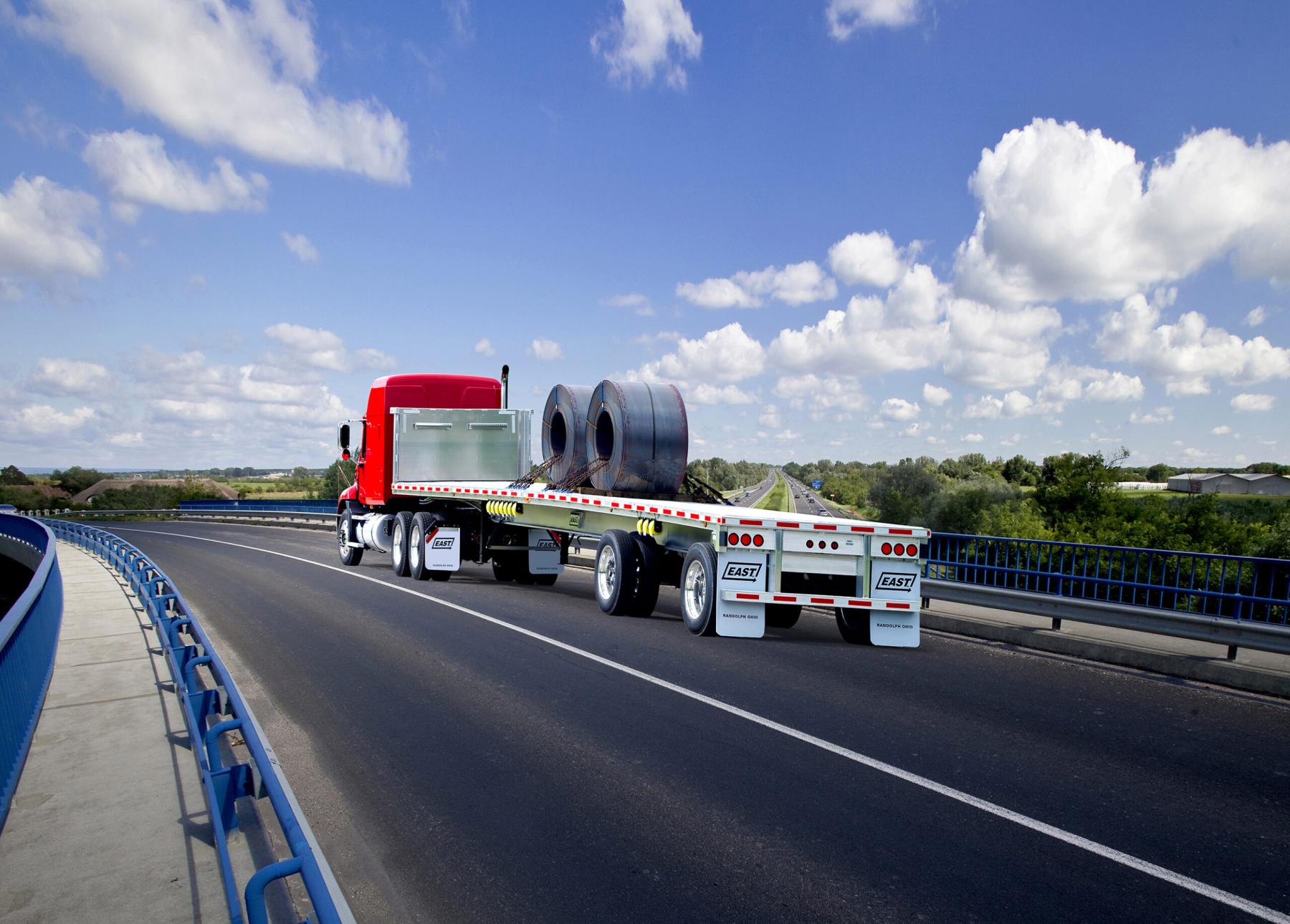
Compared with other types of freight, flatbed trucking can be very profitable. Because flatbeds move specialty freight such as steel beams, building materials, machinery and large equipment, the market often pays more than standard dry van loads. A flatbed load usually requires extra skills like tarping, route planning for oversized freight and cargo securement. Those duties add work, but they also create opportunities for higher income and long-term contracts with business customers.
Many construction and industrial businesses need open-deck shipping for freight that can't travel in enclosed trailers, and they rely on dependable carriers to move it. Flatbed trucking gives owner-operators access to premium lanes and flexible scheduling, and strong industry relationships help independent carriers secure recurring loads that bring in steady monthly income.
Flatbed demand also varies by region. Major construction and energy projects drive up demand, as do port operations and industrial shipping. Understanding these regional trends helps drivers spot where the most profitable loads are.
The 3 Most Effective Ways to Find Flatbed Loads
Finding reliable freight takes industry knowledge, networking and technology. Drivers new to flatbed often look for ways to keep working consistently without spending hours searching every day. Carriers who want steady flatbed loads usually rely on three key methods: digital load boards, freight brokers and professional dispatch support.
#3: Flatbed Load Boards
Load boards remain one of the most widely used tools in trucking. They let drivers browse loads posted by brokers, shippers and logistics companies looking for trucks, and many drivers start here because the boards list a huge range of freight across regions and cargo types. A specialized load search tool can filter loads by equipment type, route preferences and weight.
Load boards often list flatbed loads of steel coils, lumber, machinery and construction materials. They provide a steady stream of listings, but competition among carriers can push rates down. Some platforms also track freight activity by region, helping you spot markets with more loads and plan profitable routes.
#2: Freight Brokers
Freight brokers connect shippers with available carriers and coordinate transportation for companies that need freight moved quickly and efficiently. Many drivers book flatbed loads through brokers who have relationships with manufacturers, warehouses and construction companies. Brokers typically manage shipment details, negotiate rates and coordinate communication between shippers and drivers.
Working with brokers cuts the time you spend searching on your own. Instead of browsing dozens of listings, you receive direct offers that may already be negotiated and scheduled. Brokers can also give owner-operators access to specialized loads that never appear on public boards. They take a commission, but the time saved and steady freight often balance the cost. Broker networks are especially strong in large shipping markets like Texas and coastal trade hubs such as Florida, where manufacturing and international trade create constant demand.
#1: Dispatch Services
Professional dispatch services are fast becoming the preferred choice for independent carriers who want consistent freight without hours of searching. Dispatch teams specialize in finding loads, negotiating rates and coordinating transportation details. Flatbed truck dispatch is focused on securing the most profitable freight for drivers while taking care of the administrative tasks that slow down daily operations.
Dispatchers monitor multiple load boards, broker networks and shipper contacts at once, which lets them spot opportunities faster than most individual drivers. Instead of spending your time finding freight to haul, you can rely on a dispatcher who searches for loads, negotiates competitive rates and manages the paperwork.
For owner-operators, dispatch strikes a balance between independence and professional support. Your dispatcher represents your interests and works to keep your truck moving on routes that stay profitable.
More Ways to Find Available Flatbed Loads
Beyond load boards, brokers and dispatch services, several other strategies help drivers find consistent freight. Many experienced carriers diversify their freight sources to reduce downtime between loads.
Additional methods include:
- Building relationships with steel mills and manufacturing plants
- Partnering with construction companies and equipment suppliers
- Working with logistics providers that specialize in industrial cargo
- Joining regional trucking associations and networking groups
- Monitoring specialized freight platforms for open-deck transport
These strategies can uncover flatbed loads for owner-operators that never appear on standard freight platforms.
Tips for Finding Local Flatbed Loads Near You
Local freight can provide stable income with less long-distance driving. Drivers who run regionally often build strong relationships with construction firms, lumber yards and machinery distributors, which regularly need oversized cargo and building materials moved, and can find consistent work hauling equipment between nearby facilities.
When searching for freight near you, research regional construction projects, industrial developments and warehouse operations, since many of them need frequent deliveries of building materials and machinery.
Regional markets in Texas, where large infrastructure projects drive demand, often provide consistent loads. Similar opportunities exist in Florida, especially around coastal shipping hubs and growing construction zones. By focusing on local partnerships and industry connections, you can find freight that stays available within your preferred area.
How Owner-Operators Can Find Flatbed Loads

Independent carriers use a mix of tactics to keep their schedules full. As an owner-operator, you have to balance driving with administrative work like scheduling, negotiating and searching for freight. A methodical search routine is the first step, and combining digital tools with industry networking helps you find the best freight for your equipment.
Many carriers start with local freight markets, keep an eye on load boards and contact potential shipping partners directly. Others work with dispatch companies that specialize in flatbed freight, which helps them find loads, negotiate better rates and keep reliable schedules.
Flatbed Freight Loads from EverHaulin Logistics
Working with skilled dispatchers helps drivers find reliable freight. EverHaulin Logistics provides freight dispatching services that keep carriers' schedules full and simplify freight coordination, built on more than five years of hands-on dispatch experience.
To keep carriers profitable, our dispatch team searches freight networks, evaluates routes and negotiates rates. Instead of spending hours browsing listings, drivers get flatbed loads that match their route preferences and equipment.
We manage shipper and broker communication for efficient pickups and deliveries, and we track freight markets to find available lanes that keep you running. EverHaulin Logistics helps carriers find profitable flatbed freight through industry knowledge, broker relationships and effective freight search tools.