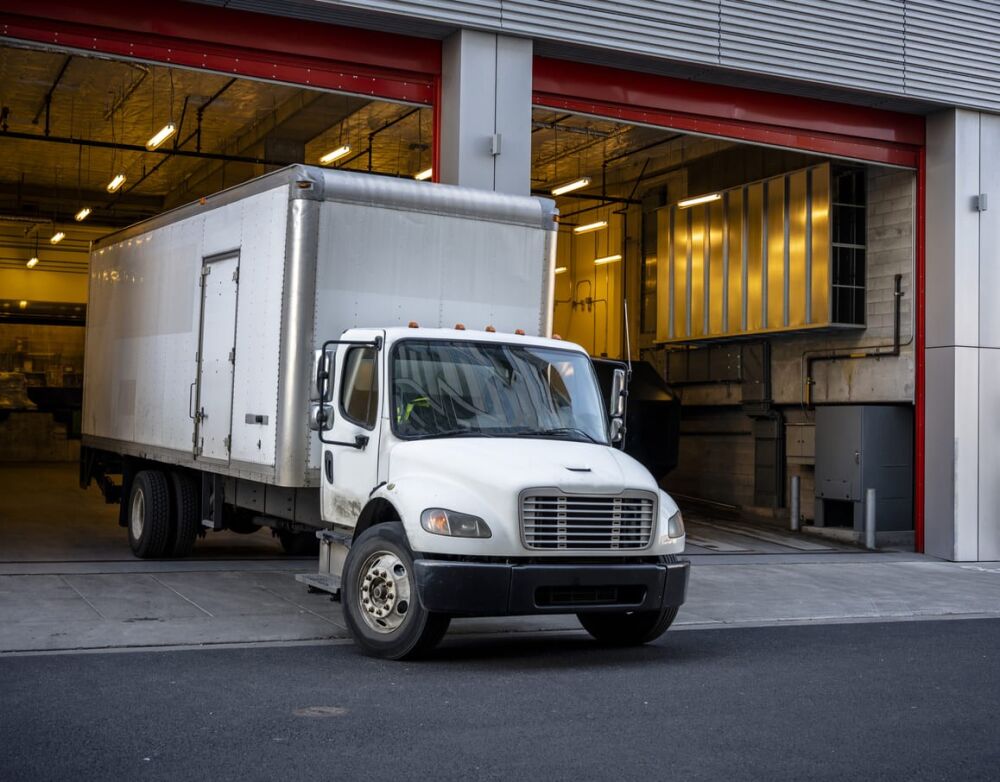

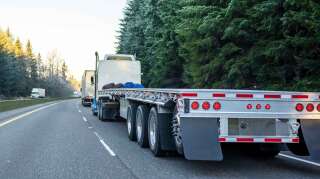
On a flatbed, what you carry is as valuable as the truck itself. Unlike enclosed trailers, flatbeds make you responsible for every chain, strap, tarp and binder holding your cargo in place. A missing wrench or a frayed strap can turn a routine job into a highway nightmare or, worse, a DOT violation. Every flatbed operator needs a well-equipped toolbox built for the demands of open-deck hauling.
Looking for reliable loads? Ask us about our flatbed dispatch service.
Essential Safety Gear
Nothing matters more than safety, especially on a flatbed. With everything out in the open, you are responsible for keeping the load tight and secure and for being ready for whatever comes your way. The right safety gear means you are never caught off guard, whether at a DOT check or when things go sideways.
Keep reflective vests, hard hats and safety gloves in your toolbox permanently; they are non-negotiable for flatbed work. Add road flares, reflective triangles and a flashlight powerful enough to light up a dark roadside, whether you are warning other drivers or figuring out what broke. Keeping it all in one metal truck toolbox saves you from digging around when every second counts.
Don't forget a quality fire extinguisher rated for both fuel and electrical fires. Flatbeds carry loads that can catch fire or throw sparks, and fumbling for an extinguisher is the last thing you want in an emergency. Quick access can save your truck and cargo.
Cargo Securement Tools
Securing the load is what flatbed work is all about. Skip the right tools and it doesn't matter how careful you are: you risk failed inspections, lost cargo or worse.
You will use ratchet straps, chains and binders more than anything else. Ratchet straps are simple and cover most lighter loads, while heavy machinery and big stacks of steel call for tough chains and binders. Carry a range of lengths and strengths, because no two jobs are the same.
Edge protectors and corner guards earn their place by keeping straps from fraying on sharp edges and protecting the load. Rubber friction mats are another smart addition, reducing sliding and keeping cargo in place.
Basic Hand Tools
Even a well-maintained rig can let you down at a bad time. A set of basic hand tools lets you fix small problems before they turn into big setbacks.
At minimum, carry a full wrench and socket set, pliers, screwdrivers and a hammer. They cover most repairs, from tightening bindings to replacing tarp grommets and freeing stubborn fasteners. A utility knife is always handy for cutting rope or opening packaging.
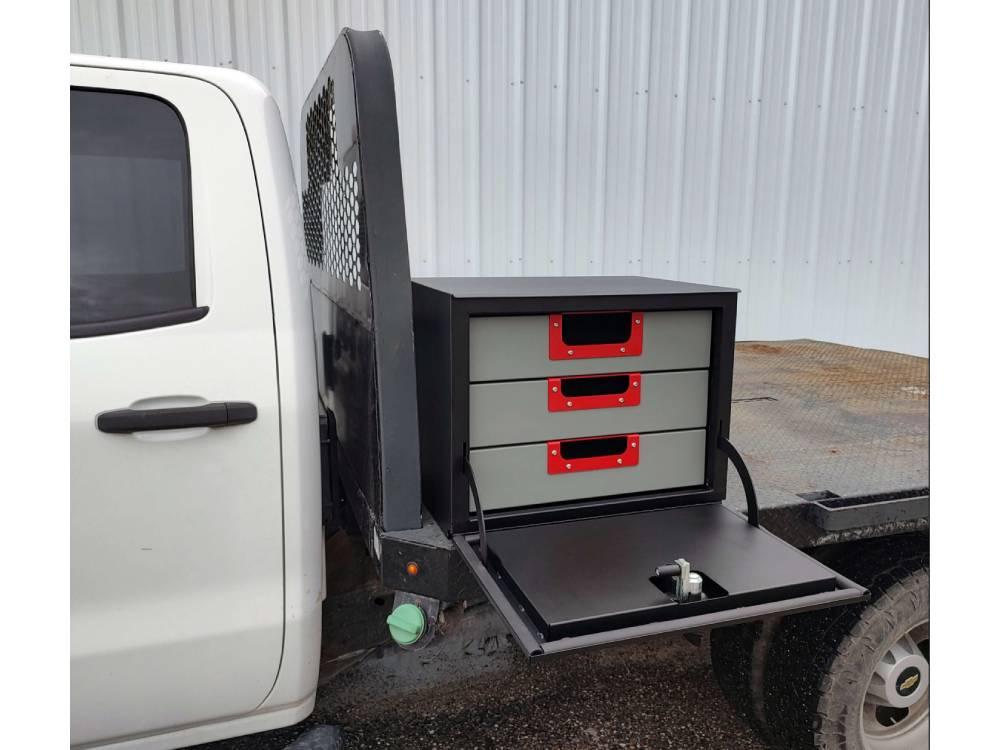
If you can, add a cordless impact wrench with spare batteries. Sometimes breaking lug nuts loose by hand just isn't an option, and power tools save real time and effort. Keep everything organized in a waterproof toolbox bolted to the truck, because rusted or missing tools are useless when you need them fast.
Tarping and Covering Supplies
If you pull a flatbed, tarps are unavoidable. Bad weather or flying debris can ruin a load quickly, and being unprepared means damaged freight and fines you would rather avoid.
Carry tough vinyl or canvas tarps in a mix that matches your usual loads, since steel, lumber and machinery tarps each have their own job. Keep plenty of spare bungee cords and tarp straps nearby so everything stays put once it is covered.
Don't skip a tarp repair kit. A small rip can become a gaping hole after a few hours in the wind, and quick patches, adhesive and spare grommets let you fix it before it gets out of hand.
Tire and Roadside Repair Equipment
Nothing kills momentum like a flat tire miles from anywhere. Flatbeds aren't immune, and you will lose hours waiting if you aren't ready.
Pack a spare tire (and make sure it is actually inflated) and a jack rated for your setup. Without a solid tire iron or breaker bar, those lugs won't budge, especially without a power wrench. A tire gauge and portable air compressor help you catch tire problems before they get serious.
Also carry spare fluids, including engine oil, coolant, washer fluid and hydraulic oil, plus belts, hoses and fuses. They take up little room but can mean the difference between making your delivery and waiting for a tow.
Organization and Utility Tools
Lockable toolboxes, underbody storage and cabinets keep your gear safe from weather and theft. Labeled compartments let you find things quickly when you are in a rush, and magnetic trays or organizers keep small items like nuts and fuses from going missing.
It is also smart to carry a crowbar, a pry bar and a shovel. You won't use them every day, but when you need one, nothing else will do, whether you are shifting cargo, clearing debris or dealing with rough ground. A multi-tool on your belt saves endless trips to storage just to cut a bolt or strip a wire.
Quick Reference Table: Must-Have Flatbed Tools
|
Category |
Tools to Carry |
|
Safety Gear |
Reflective vest, flashlight, fire extinguisher, flares and triangles |
|
Cargo Securement |
Ratchet straps, chains, binders, edge protectors, rubber mats |
|
Hand Tools |
Wrenches, sockets, pliers, hammer, utility knife, cordless impact wrench |
|
Tarping and Covering |
Vinyl tarps, bungees, rope, tarp repair kit, ladder |
|
Tire and Roadside Repair |
Spare tire, jack, tire iron, air compressor, spare fluids, belts, hoses, fuses |
|
Organization and Utility |
Toolboxes, organizers, crowbar, shovel, multi-tool |
Conclusion
Flatbed trucking demands your best performance and readiness for unpredictable challenges like changing weather or shifting cargo, and the right gear keeps the whole operation moving. Stock your toolbox with the tools above to make every job go smoother, and let our flatbed and step deck dispatch team keep you loaded.