
Semi truck driving is a rewarding part of the transportation industry. Large trailers let carriers move big volumes of freight across regional and national routes, creating steady revenue and room for long-term growth. Manufacturing, retail and e-commerce all depend on reliable logistics networks, which keeps demand for freight transportation strong.
Why Hauling With a Semi Truck Is Profitable
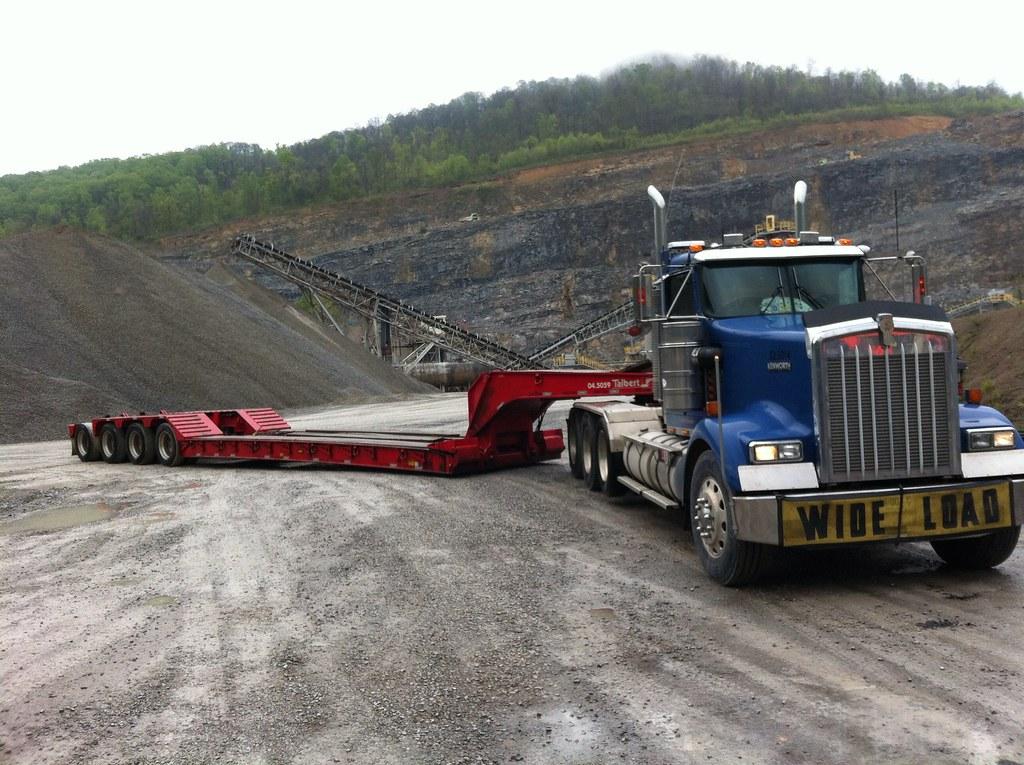
Semi trucks handle bigger and more varied cargo than smaller vehicles, so drivers can take on longer, better-paying routes. Many owner-operators succeed by focusing on stable lanes and strong shipper relationships.
New drivers often ask how to find loads for a semi truck in a competitive market. With the right approach, a truck owner can build a consistent flow of work and plan a schedule that keeps the equipment moving with little downtime.
Below are the main ways to find loads for this equipment, including semi truck dispatch services from EverHaulin Logistics.
6 Ways to Find Loads for Semi Trucks
Finding reliable freight takes research, networking and operational support. Owner-operators try different methods to find what fits their goals and schedule, and successful drivers usually combine technology, industry relationships and capable dispatch support. Each strategy has its own benefits depending on your experience and budget.
Load Boards
Load boards remain a core tool for finding freight. Brokers, shippers and logistics companies post shipments there, and drivers can filter thousands of daily listings by route, cargo type and equipment. Load boards make it quick to compare rates and distances and pick loads that match your lanes, but relying on them alone takes time: drivers can spend hours browsing listings and calling before they book a load.
Direct Shipper Contracts
Partnering directly with manufacturers, warehouses and distributors can secure dependable freight. Many companies prefer reliable carriers who understand their shipping schedules and delivery expectations, and direct contracts create predictable lanes with fewer intermediaries. Building these relationships takes work, such as marketing to local businesses, attending logistics events and following up professionally, but it can lead to higher rates and long-term arrangements.
Networking With Industry Contacts
Networking is underrated but effective. Relationships with warehouse managers, logistics coordinators and other drivers often lead to freight, because professionals tell trusted colleagues about available shipments and routes. You can network at trade events, truck stops, industry forums and online trucking communities, and these contacts can bring new leads without relying on online platforms.
Working With Freight Brokers
Freight brokers connect shippers that need trucks with carriers that have capacity. Brokers take a cut of the transportation cost, but they simplify finding freight and can provide steady work when the market fluctuates. They also handle some of the administrative tasks, which saves time for drivers who would rather drive than negotiate.
Dispatch Support
Many owner-operators use a truck dispatch service to streamline their operations. Dispatchers find freight, negotiate rates and plan trips, and by monitoring multiple load boards and freight networks, they can find profitable loads faster than a driver searching alone. They also coordinate communication with shippers, brokers and warehouses, which saves administrative effort and helps you meet delivery schedules and grow revenue.
Trucking Platforms and Apps
Digital freight platforms and mobile apps let drivers search for, compare and book loads from the road. Many connect carriers directly with shippers or brokers, show rates upfront and handle documents in the app, which speeds up booking. Like load boards, they work best as one part of a broader strategy, because the best-paying loads go quickly and listings need regular checking.
How to Get Local Loads for a Semi Truck
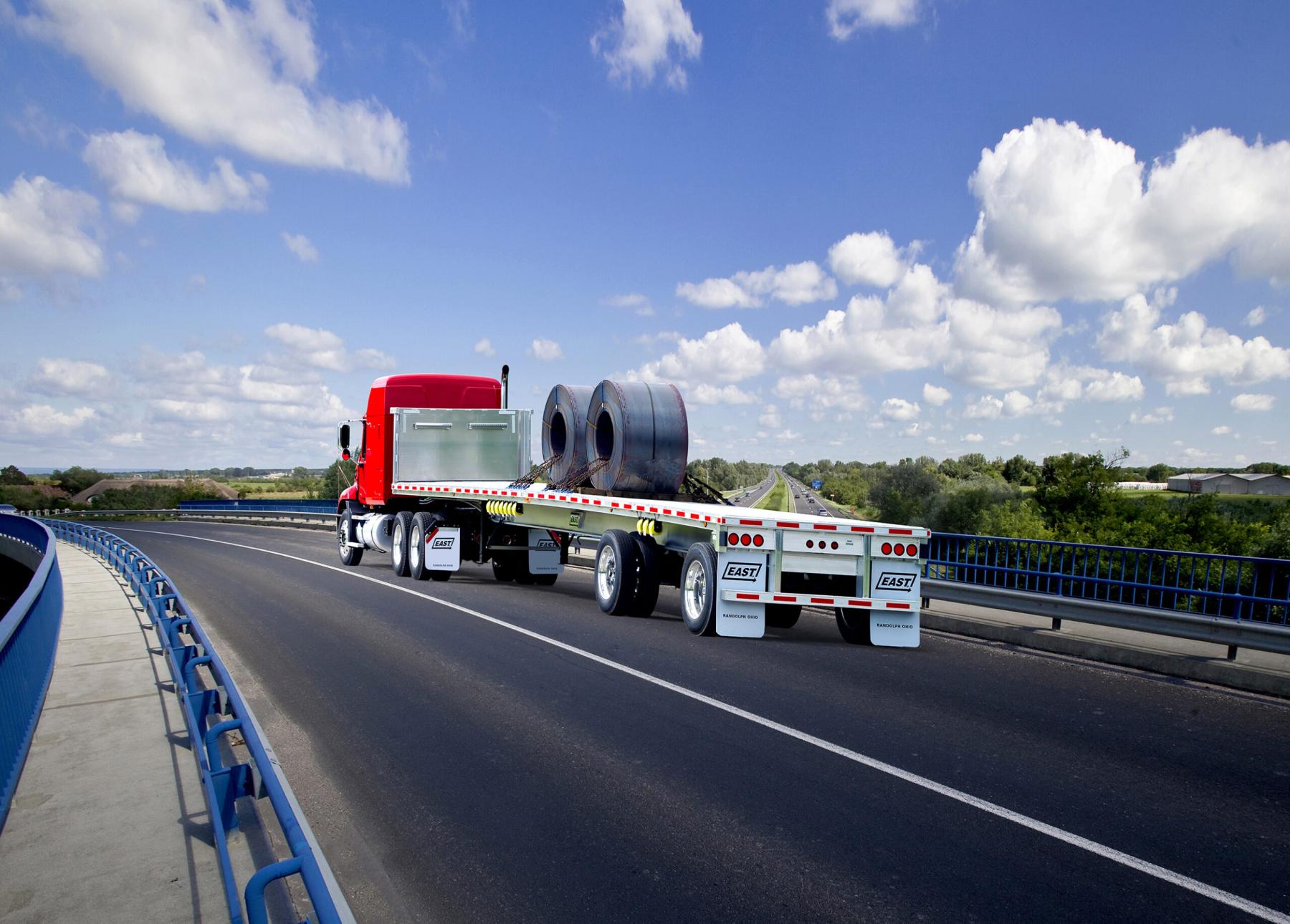
Local freight suits drivers who prefer predictable schedules and shorter trips. Instead of spending weeks on the road, local routes let you work closer to home. Warehouses and distribution hubs constantly ship to stores, plants and other facilities, which creates a steady need for local trucks.
Regional freight includes warehouse deliveries, agricultural transport, construction materials and retail distribution, and local truckers usually work from long-term shipper relationships.
A few strategies help you find these opportunities:
- Contact local warehouses and manufacturing plants directly
- Visit distribution centers and introduce your services
- Join regional trucking associations or business networks
- Monitor regional freight boards and logistics platforms
- Keep in touch with local logistics managers
Local freight may pay less per mile than long-haul loads, but shorter trips and predictable routes can produce reliable weekly income, and local companies that value dependable drivers often come back with repeat shipments.
Find Your Next Semi Truck Load with EverHaulin Logistics
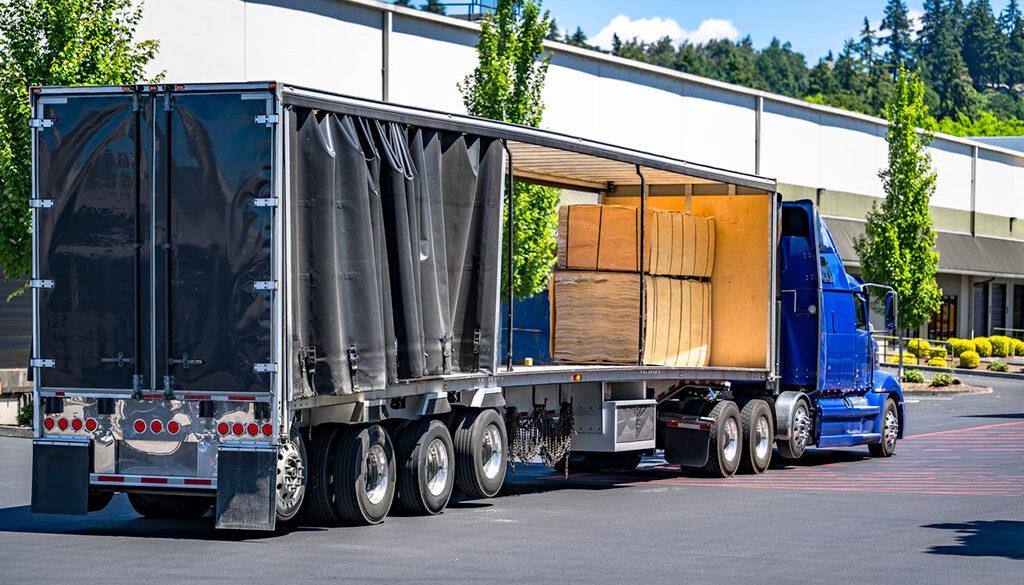
Hunting for shipments while also handling the driving takes a lot of time, which is where professional dispatchers help. EverHaulin Logistics helps owner-operators book loads for their trucks and stay on schedule. Our dispatchers work with you to find freight, negotiate competitive rates and manage pickup and delivery logistics.
EverHaulin Logistics is built on more than five years of hands-on dispatch experience and simplifies freight management for carriers. Instead of spending hours on load boards, our drivers have dispatchers who constantly monitor freight opportunities, evaluate each load, plan routes that fit the driver's schedule and equipment, and negotiate strong rates. We also manage paperwork and communicate with shippers and brokers so shipments run smoothly.
Combining your independence with professional dispatch support helps you build a steady, profitable business. With the right plan and the right partner, you can keep your semi truck moving and your freight flowing all year. Contact us to get started.