

Truck driver safety protects drivers and everyone who shares the road with them, and it also depends on good coordination with your dispatcher. A truck dispatch service helps drivers stay safe by sharing updates on road conditions, planning realistic routes and schedules and helping when something goes wrong on the road. With the right information and support, drivers can make better decisions and put safety first on every trip.
What Is Trucking Safety?
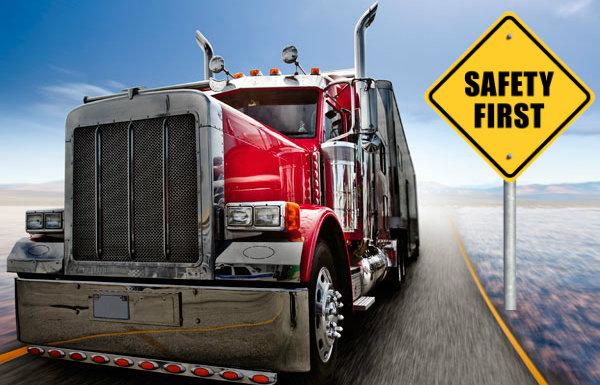
At its core, truck driver safety is about reducing the risks drivers face on the road to prevent accidents, injuries and fatalities. It means giving drivers the knowledge, skills and resources to handle the road safely and responsibly.
Truck driver safety covers a wide range of areas, including:
- Safe driving practices: following speed limits, keeping a safe following distance, avoiding distractions and staying alert and rested are the fundamentals of safe truck driving.
- Vehicle maintenance: regular inspections, maintenance and repairs keep trucks in safe operating condition, including brakes, tires, lights and other critical components.
- Cargo management: properly securing and distributing cargo keeps the truck stable and prevents accidents caused by shifting loads or unbalanced weight.
- Following regulations: drivers must comply with safety rules on hours of service, driver qualifications and vehicle specifications.
- Weather and road conditions: drivers need to be prepared for bad weather and difficult roads and adjust their driving to reduce risk.
- Emergency preparedness: knowing emergency procedures and carrying safety equipment, such as a first aid kit and emergency contact information, helps drivers respond to the unexpected.
Truck driver safety takes ongoing attention, training and commitment from drivers, employers, regulators and everyone else in the industry. By putting safety first and following best practices, drivers protect themselves and everyone around them.
10 Truck Driver Safety Tips
These practical tips help reduce risk and build safe habits behind the wheel, lowering the chance of accidents and protecting you and other road users:
- Keep a safe following distance: leave plenty of space between your truck and the vehicle ahead so you have time to react and stop safely. The recommended gap is usually several seconds, depending on road conditions and speed.
- Observe speed limits: follow posted limits and adjust your speed to road conditions, traffic and weather. A safe speed reduces the risk of accidents and gives you more time to react.
- Avoid distractions: don't use your phone, eat, drink or fiddle with the radio while driving. Keep your focus on the road so you can react quickly to changing conditions.
- Stay alert and well rested: get enough sleep before a trip and take regular breaks on long hauls. Fatigue slows your judgment and reaction time, so pull over if you feel drowsy.
- Use proper ergonomics: adjust your seat, steering wheel and mirrors for good posture and visibility. A comfortable driving position reduces fatigue and prevents strain injuries.
- Inspect your vehicle regularly: do a pre-trip inspection for mechanical issues, tire damage and fluid leaks, and fix any problems before you hit the road.
- Secure your cargo properly: use the right tie-downs, straps and fasteners so cargo can't shift or fall in transit, and distribute the load evenly within your vehicle's weight limits.
- Plan your route: learn your route in advance, including hazards like construction zones, low bridges and steep grades, and use truck GPS or maps to plan alternates and avoid delays.
- Allow extra distance in bad weather: increase your following distance and slow down in rain, snow or fog. Expect reduced visibility and slippery roads, and brake and maneuver with care.
- Drive defensively: anticipate what other drivers might do and be ready to react. Stay aware of your surroundings, use your mirrors and signal your intentions clearly.
Making these tips part of your daily routine keeps every trip safer for you and everyone else on the road. As a professional driver, safety always comes first.
Our dispatchers support safe driving too: we plan loads and schedules that fit your hours of service, share route and weather information and take the paperwork off your plate so you can stay focused on the road.
Safety Messages for Truck Drivers

Safety messages are short, memorable reminders that promote awareness and safe driving habits. You will see them at terminals, rest areas and company facilities, and in fleet communications, reinforcing a culture of safety across the industry. Here are some examples:
- "Safety First, Always."
- "Buckle Up, Every Trip, Every Time."
- "Stay Alert, Stay Alive."
- "Don't Text and Drive. It Can Wait."
- "Keep Your Eyes on the Road, Not on Your Phone."
- "Take Regular Breaks to Stay Fresh and Alert."
- "Slow Down, Arrive Alive."
- "Check Your Blind Spots Before Changing Lanes."
- "Avoid Tailgating. Leave Plenty of Space."
- "Inspect Your Vehicle Before Every Trip."
- "Secure Your Load. Safety Starts with Proper Cargo Management."
- "Watch for Pedestrians and Cyclists. Share the Road Safely."
- "Plan Your Route and Know Your Surroundings."
- "Drive Defensively. Anticipate, React and Stay Safe."
- "Report Unsafe Conditions or Hazards Immediately."
- "Never Drive Under the Influence of Alcohol or Drugs."
- "Use Your Signals. Let Others Know Your Intentions."
- "Stay Calm and Patient in Traffic. Safety Comes First."
- "Weather the Weather: Adjust Your Driving for Conditions."
- "Protect Yourself and Others: Wear Your Seatbelt."
These messages remind drivers to put safety first, stay vigilant and take responsibility for themselves and others. Drivers who live by them help make roads safer and reduce accidents and injuries across the industry.
Truck Driver Safety Topics

Truck driver safety topics cover driving, vehicle maintenance, regulatory compliance and personal health. These are the essential topics for building a culture of safety in trucking:
- Safe driving practices: keeping a safe following distance, obeying speed limits, avoiding distractions and driving defensively.
- Vehicle inspection and maintenance: why regular inspections, maintenance and repairs keep trucks in safe operating condition.
- Cargo securement: proper techniques to prevent shifting or falling loads that endanger drivers and other road users.
- Fatigue management: the risks of driver fatigue, and the importance of rest, breaks and recognizing the warning signs.
- Weather preparedness: how to handle rain, snow, ice and high winds and adapt your driving to the conditions.
- Emergency response: how to respond safely and effectively to accidents, breakdowns, hazardous spills and medical emergencies.
- Regulatory compliance: understanding federal and state rules on hours of service, vehicle specifications and other safety requirements.
- Health and wellness: physical fitness, good nutrition and mental well-being that keep drivers healthy, alert and focused.
- Drug and alcohol awareness: the dangers of driving under the influence and the importance of responsible behavior behind the wheel.
- Work zone safety: extra caution in work zones, where construction activity and reduced speed limits are in effect.
- Intersection safety: best practices at intersections, including yielding to pedestrians, cyclists and other vehicles and signaling turns.
- Backing and parking: techniques for safe backing and parking that reduce the risk of collisions.
- Load securement by freight type: how to secure flatbed, dry van and hazardous materials loads to prevent shifting and keep the truck stable.
- Communication skills: clear communication with dispatchers, fellow drivers and other road users to improve safety and efficiency.
- Continuous learning: ongoing training, safety meetings and professional development that keep drivers informed and sharpen their skills.
By covering these topics thoroughly, companies, regulators and industry partners build a culture of safety and give drivers the knowledge they need to drive safely and responsibly.
Understanding Truck Safety
Trucking safety is a set of practices and procedures designed to prevent accidents and protect truck drivers and everyone else on the road. It combines precautions before the trip with smart, proactive decisions behind the wheel.
Prioritizing Safe Driving
Safe driving habits are the heart of truck driver safety. Here is why the key habits matter.
Maintain a Safe Following Distance
A safe following distance gives you time to react to the unexpected. That buffer is your best protection against rear-end collisions, especially in a heavy truck that needs more distance to stop.
Observe Speed Limits
Following speed limits keeps you legal and gives you more time to respond to changing road conditions, which reduces speed-related accidents.
Avoid Distractions
Distractions put you and everyone around you at risk. Put the phone away, eat during breaks and keep your attention on the road.
Stay Alert and Well-Rested
Fatigue is one of the biggest dangers in trucking. Getting enough rest and taking breaks keeps you alert and able to react quickly when something happens on the road.
Ensuring Vehicle Safety
A safe truck depends on careful maintenance and proper cargo management. Keeping your vehicle in good condition protects you and everyone else on the road. Here is where to focus.
Regular Vehicle Inspections
Regular, thorough inspections catch mechanical problems early, before they turn into breakdowns or emergencies, and keep your truck reliable on the road.
Proper Cargo Securement
Poorly secured cargo threatens the truck's stability. Following securement rules prevents shifting loads and protects both the truck and the freight.
Brake Maintenance
Brakes are among the most critical safety systems on a truck. Regular maintenance and inspections prevent wear from reducing stopping power when you need it most.
Tire Maintenance
Tires are your truck's only contact with the road. Regular pressure checks, tread inspections and timely replacements prevent blowouts and loss of traction.