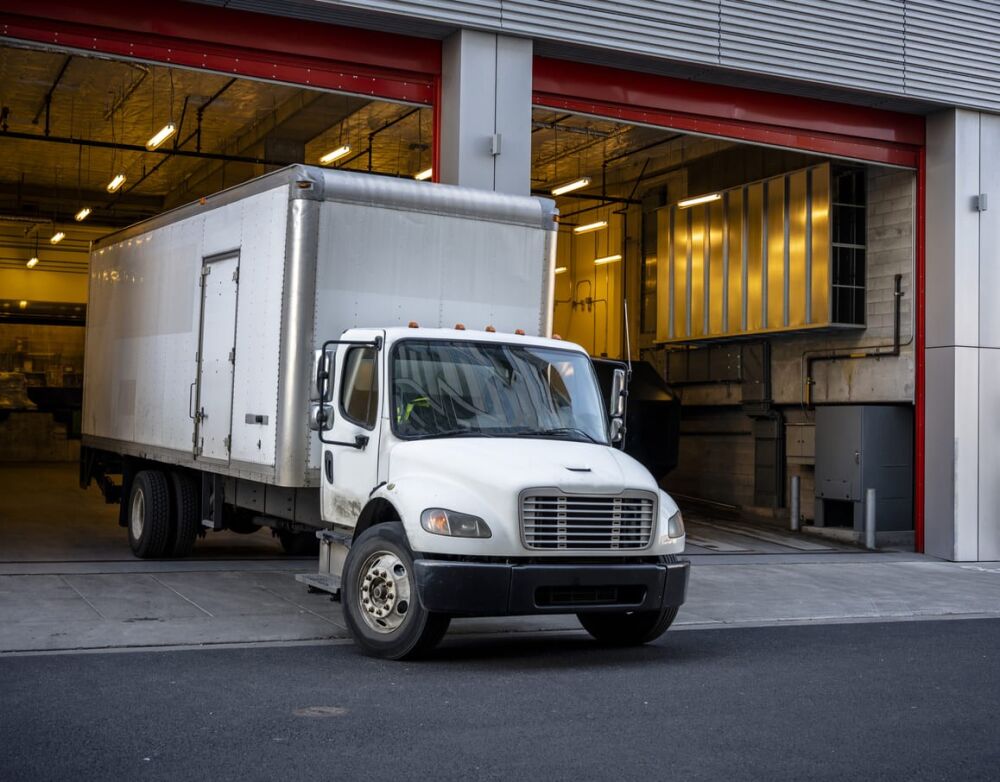

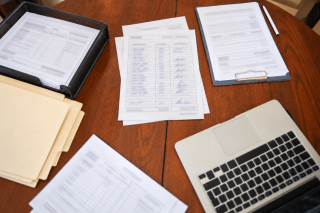
You back into the door at a grocery distribution center, hand over your paperwork, and the receiving clerk tells you there is a charge to unload before anyone touches a pallet. That charge is a lumper fee, and it surprises many new carriers.
The short answer on who pays: the receiving facility sets the fee, the carrier often pays it at the dock, and the shipper or broker reimburses it when the rate confirmation says so. Owner-operators lose money in the gap between paying the lumper and getting paid back, so here is how to close that gap.
Key Takeaways
-
A lumper fee pays for third-party labor to unload your trailer at the receiving facility.
-
Federal law makes the shipper or receiver responsible for the unloading help it requires.
-
The carrier often pays at the dock, so the rate confirmation decides whether you get the money back.
-
The lumper receipt is your proof of payment; without it, a reimbursement request usually stalls.
.jpg "what is a lumper")
What Is a Lumper Fee?
A lumper fee is what a receiving facility charges to have its own unloading crew, called lumpers, take freight off your trailer. Many warehouses don't let drivers unload, so they contract the work to a lumper service and pass the cost to whoever brought the load.
So what is a lumper? A dock worker who breaks down, sorts and moves freight off the truck; the Bureau of Labor Statistics groups them with hand laborers and material movers. Lumpers are most common at grocery and food distribution centers, which is why reefer and dry van carriers see these charges far more often than flatbed or hotshot operators. The price rises with the labor involved:
-
Floor-loaded freight that must be stacked onto pallets by hand takes longer than palletized freight.
-
Loads that must be sorted by product or restacked to the facility's pallet height add labor time.
Who Pays the Lumper Fee?
The shipper or receiver is responsible for the lumper fee, even when the carrier pays it at the door. Under federal law on loading and unloading, a shipper or receiver that requires unloading assistance must either provide it or compensate the owner or operator for the cost, and it is unlawful to coerce a carrier into unloading freight or paying someone else to do it.
In practice, the money usually moves through the broker: the driver pays at the dock, and the broker or shipper reimburses the carrier as an accessorial charge listed on the rate confirmation.
|
Situation at the dock |
Who pays at the door |
Who covers it in the end |
|---|---|---|
|
Rate confirmation lists lumper as a reimbursable accessorial |
Carrier, or the broker by payment code |
Broker or shipper, once you submit the lumper receipt |
|
Rate confirmation is all-in or says nothing about lumpers |
Carrier |
Often the carrier, unless the broker agrees to add it |
|
Driver pays cash and loses the receipt |
Carrier |
Usually the carrier, because there is no proof |
How Lumper Fee Reimbursement Works
Reimbursement works when the fee is agreed in writing before you book and documented the moment you pay. Follow these steps on every load that delivers to a lumper facility:
-
Before you accept the load, get the lumper terms on the rate confirmation: whether the fee is reimbursable, any cap, how the broker will pay and the deadline for submitting the receipt.
-
Call the broker from the dock before you pay. Get the amount approved in writing and ask for a payment code so you don't have to front the money.
-
Get a lumper receipt for the exact amount before you pull off the door, and check that its PO or load number matches your bill of lading.
-
Send the receipt with your signed delivery paperwork the same day, and bill the fee as a separate line on your invoice.
If the lumper fee isn't in the rate or on the rate confirmation, ask the broker or shipper for a revised rate confirmation right away. Getting the fee in writing before you pay prevents delays in both reimbursement and payment for the load.
Rates and accessorials are negotiated together, so it helps to know how freight rates are built. Lumper terms are also part of finding loads worth running, because a strong rate turns weak if the lumper cost lands on you.
Why the Lumper Receipt Matters
The lumper receipt is what makes the fee reimbursable. Brokers pay against documents, and a missing or unreadable receipt is a common reason a claim is short-paid or denied. A usable receipt shows:
-
The facility name, date and time of service.
-
The PO, load or appointment number that ties it to your bill of lading.
-
The exact amount paid, the payment method and a signature or stamp from the facility or lumper service.
Photograph the receipt at the dock as well. The IRS expects business owners to keep receipts that support their books and tax returns, so even a fee that is never reimbursed needs a record.
What Happens If You Pay Cash and Lose the Receipt?
Expect the broker to decline reimbursement. Ask the facility for a duplicate before you leave the area and send whatever proof you have, such as a bank statement and the delivery paperwork. Some brokers will work with you; many won't.
.png "lumper receipt")
Lumper Fees, Dock Time and Your Hours of Service
Time on the dock while a lumper unloads your trailer counts as on-duty time under federal rules and runs against the 14-hour window that starts when you come on duty, so a slow lumper crew can cost you your next load as well as the fee. Detention pay is a separate charge, and a long wait may support a detention claim if your rate confirmation includes it.
How a Dispatcher Keeps Lumper Fees Off Your Bottom Line
A dispatcher keeps lumper fees from eating into your profit by settling them before the truck reaches the receiver. Reading rate confirmations line by line is part of what a dispatcher handles, and lumper terms matter most in dry van and reefer dispatch, where grocery receivers are routine. They are part of booking dry van freight that pays what the rate says, and small charges like these belong in any plan for cutting operating costs.
Frequently Asked Questions
How much is a lumper fee?
It depends on the facility and the load. Floor-loaded freight, product that must be sorted or restacked and mixed loads take more labor and cost more to unload than palletized freight. Ask the broker for the expected amount before booking so it can be written into the rate confirmation.
Is a lumper fee the same as detention pay?
No. A lumper fee pays for unloading labor, while detention pay compensates the carrier for waiting beyond the free time allowed at a shipper or receiver. They are billed separately, and a long wait at a lumper facility can trigger both if the rate confirmation includes detention.
Can a receiver make me unload or pay a lumper?
A receiver can require that its own crew unload the freight, but federal law makes it unlawful to coerce a carrier into unloading or paying for unloading. If the facility requires a lumper, the shipper or receiver is responsible for the cost, so get the broker involved before you pay.
What is the difference between a lumper fee and inside delivery?
A lumper fee covers third-party labor that unloads the trailer at the dock. Inside delivery is a separate accessorial where freight is moved past the dock into a building, usually by the driver or a helper. They are different charges and should be listed separately on the rate confirmation.
Keep Lumper Fees From Cutting Into Your Loads
A lumper fee should be a pass-through, not a cost of doing business. When it is written into the rate confirmation, approved at the dock and backed by a clean lumper receipt, the money comes back to you.
Even a reimbursed fee ties up cash until the broker pays, and a few lumper charges in one week can squeeze a small operation's fuel budget. See how our dispatch service is priced on the dispatch pricing page, and if you have questions about lumper fees on your lanes, talk with our team.