
Power only trucking isn't a new term, but many shippers, especially newer ones, aren't familiar with it. This article explains what power only trucking is, how it works and its advantages and disadvantages. It also answers common questions, explains how shippers use power only and which trailers are involved, and shows how EverHaulin Logistics helps carriers get started with power only dispatch.
What Is Power Only Trucking?
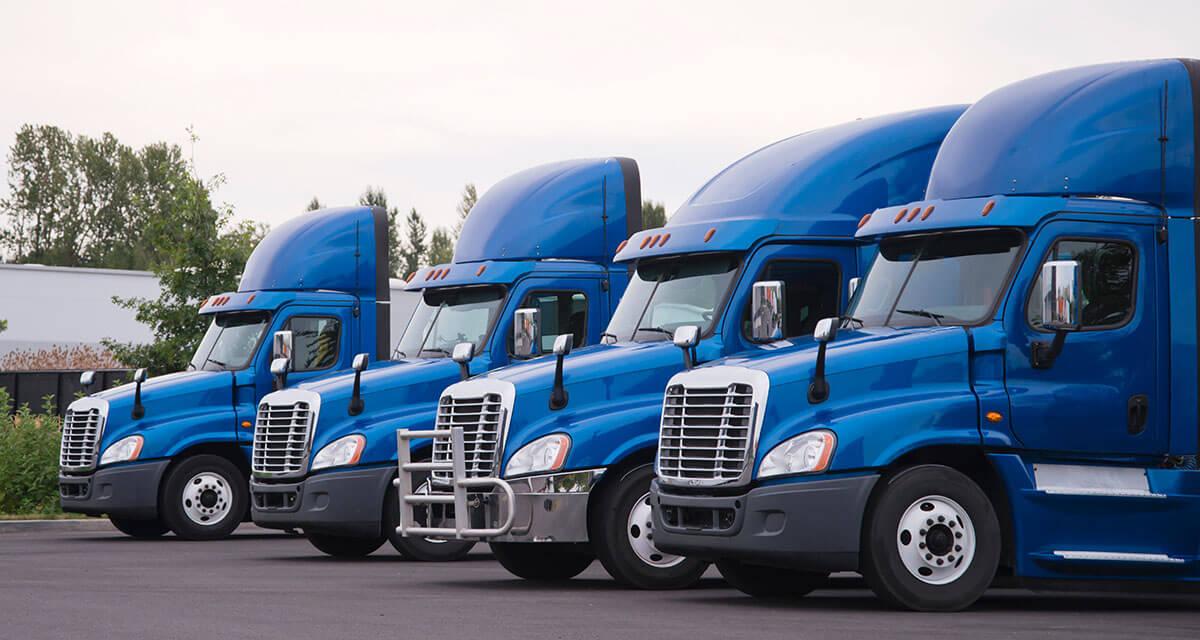
In trucking, power only means a carrier provides only its tractor, or power unit, to move freight. The trailer belongs to the shipper or a third-party trailer company, and the carrier is responsible for providing the tractor and driver to haul it.
How Power Only Works in Trucking
The shipper or a trailer company provides the trailer, and the carrier sends a tractor with a qualified driver, who hooks up to the trailer and hauls it to its destination.
What Is the Difference Between Power Only and Regular Truckload?
The main difference is equipment: in power only trucking, the carrier provides only the power unit, while in regular truckload, the carrier provides both the power unit and the trailer.
Advantages of Power Only Trucking

Cost-Effective
Power only is cost-effective because the carrier doesn't need to supply a trailer; the shipper or a third-party trailer company owns it.
Flexibility
Shippers can use different trailer types for different freight, which helps them meet specific shipping requirements.
Dedicated Capacity
Power only gives shippers dedicated capacity: the carrier provides a qualified driver and tractor to haul the trailer and deliver the freight on time.
Reduced Liability
Because the shipper or a trailer company owns the trailer, the carrier carries less equipment liability.
Increased Efficiency
Each side focuses on what it does best: the carrier supplies the power unit and driver, and the shipper or trailer company supplies the trailer.
Disadvantages of Power Only Trucking

Limited Control
The carrier has limited control over the trailer, and a problem with the trailer can delay delivery.
Limited Revenue
Because the carrier provides only the power unit and driver, power only rates can be lower than full truckload rates.
Limited Availability
Power only service may not be available in every area, which limits options for shippers.
Equipment Maintenance
The carrier is still responsible for maintaining its power unit, which adds to the cost of providing power only service.
How Shippers Use Power Only Trucking
Shippers use power only when they have a trailer that needs to move from one location to another, whether because of equipment shortages, capacity constraints or specific shipping requirements. They work with a carrier that provides the power unit and driver to haul the trailer to its destination.
With truck dispatch services, owner-operators can find these loads, where only a tractor is needed to pull a preloaded trailer.
How to Get Power Only Loads
Shippers find power only capacity by working with carriers that offer power only service, and carriers find power only loads through load boards, brokers that specialize in power only and dispatch services. Read our guide on how to find power only loads for practical methods.
Types of Trailers for Power Only Trucking
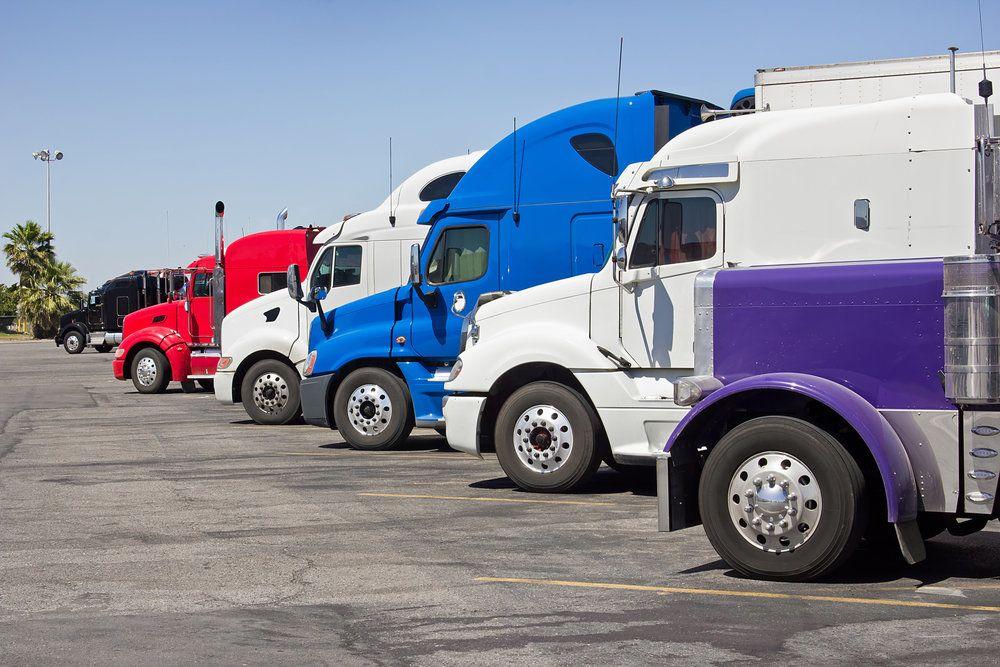
The trailer depends on the freight being moved. Common power only trailers include:
- Power only + reefer: reefer trailers carry perishable goods that need temperature control, and shippers can use power only service to move their reefer trailers. Learn more about reefer dispatch.
- Power only + dry van: dry van trailers carry dry goods such as consumer products, food and beverages. Learn more about dry van dispatch.
- Power only + step deck: step deck trailers carry oversized or over-dimensional freight. Learn more about step deck dispatch.
- Power only + flatbed: flatbed trailers carry oversized or heavy freight that can't fit in a dry van or reefer. Learn more about flatbed dispatch.
Frequently Asked Questions

What is power only for trucks?
Power only means a carrier uses only its power unit to move a trailer that belongs to the shipper or a third-party trailer company, with a qualified driver who hooks up the trailer and hauls it to its destination.
Is power only trucking profitable?
It can be. Profitability depends on the rates negotiated with the shipper or broker, the cost of running the power unit and driver and the availability of power only loads.
How do I get loads for power only trucking?
Carriers find power only loads through load boards, brokers that specialize in power only and dispatch services. Shippers find capacity by working with carriers that offer power only service.
Which trailers are good for power only?
It depends on the freight. Reefer, dry van, step deck and flatbed trailers can all be moved power only, depending on the shipper's needs.
Get Started with EverHaulin Logistics

If you run a tractor and want steady power only freight, EverHaulin Logistics can help. Our power only dispatch service finds loads, negotiates rates and handles the paperwork for owner-operators and fleets. Contact us today to learn more.
Conclusion
Power only trucking is an efficient, cost-effective way to move freight: shippers keep control of their trailers, and carriers can haul without owning one. It has advantages and disadvantages, but for carriers who manage it well, it can be a profitable line of work. If you are looking for a reliable dispatch partner for power only, EverHaulin Logistics can help you get started.