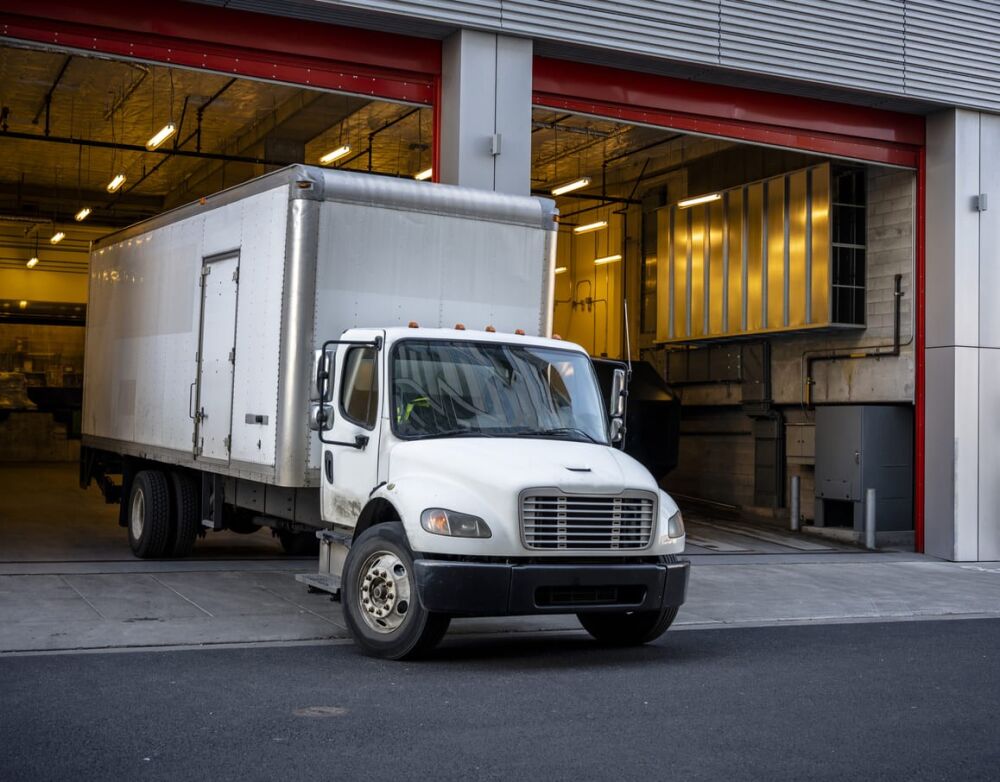


Independent trucking is one of the most rewarding career paths in freight, and one of the most demanding. As an independent contractor, you decide which loads to take, which lanes to run and how your company operates from day one, but that freedom brings responsibilities far beyond driving. According to the American Trucking Associations, more than 90 percent of U.S. trucking companies operate six or fewer trucks, so the industry is built on small, owner-operated businesses.
What separates an independent trucker who thrives from one who struggles is usually discipline: controlling expenses, choosing freight wisely, managing cash flow and keeping your authority in good standing. Whether you are just getting started or already work as an independent contractor, these tips will help you tighten your operation and protect your bottom line. You are responsible for every part of the business, and the freedom is only worth it if you invest the time to run it right.

Introduction to Independent Trucking
Trucking moves goods across every state and connects businesses nationwide. For drivers who want more control over their careers, working as an independent contractor offers advantages company jobs can't match:
- Choose your own schedule. Independent drivers set their own hours and decide how to split their time between the road and home.
- Work with multiple companies. Unlike company drivers, who haul for one carrier, independent contractors can work with several companies at once and access more freight.
- Higher earning potential. Independent contractors often earn significantly more than company drivers; some owner-operators report up to three times the total revenue, though they also carry far more expenses.
What It Really Means to Be an Independent Owner-Operator
Independent trucking means running under your own motor carrier authority instead of driving as a company employee. You own or lease your truck, find your own freight and handle the administration, from permits and insurance to invoicing and taxes. Whether you are classified as an independent contractor or an employee affects your pay, your job and the benefits you qualify for.
Independent contractors can work with multiple trucking companies, which gives them more control over their schedules and earnings. Owner-operators either own their trucks outright or lease them through financing, and leasing is a popular way to start without a large upfront cost. Because the business side takes so much time, many owner-operators use a professional dispatch service to handle load booking, negotiations and paperwork, so they can spend more of their hours driving and earning.
The FMCSA requires every carrier to maintain proper insurance and follow hours-of-service rules, and carriers must file quarterly IFTA fuel tax reports. Classification rules vary by state, so learn your local requirements to avoid violations. Starting an independent trucking business often costs more than $100,000 once you include the truck, licensing, permits and insurance, but drivers who choose loads wisely and run a disciplined, numbers-driven business can earn significantly more than salaried company drivers.
Independent Contractor vs. Company Employee
Choosing between these two paths is one of the most important decisions a driver makes. Here is how they compare:
- Independent contractors pay all their own expenses, including truck payments, fuel, insurance, maintenance and taxes. They arrange their own health insurance and retirement plans, set their own hours and choose which companies to work with.
- Company employees receive benefits such as health insurance, workers' compensation and paid leave. They drive company trucks and earn a consistent wage, with more stability but less control.
Independent contractors can deduct fuel, truck maintenance, insurance and loan interest from their taxes. For drivers willing to manage their own operation, the contractor path offers more earning potential, but it takes discipline.

Smart Load Selection for Independent Truckers
One of the biggest advantages of independent trucking is choosing your own freight, but it only pays off if you are strategic. Taking every load on the board without checking the rate per mile is a fast way to lose money. Smart load selection starts with knowing your cost per mile and never hauling below it.
- Know your lanes. Focus on routes with good backhaul options to reduce deadhead miles, because a truck running empty earns nothing. The Bureau of Transportation Statistics tracks freight movement and traffic data by state that can help you identify high-volume corridors.
- Negotiate rates. A broker's first offer is rarely their best. Owner-operators who understand how freight rates work and push back on lowball offers earn more per load, and a dispatcher who negotiates on your behalf saves you time on every run.
- Use dispatch support. A qualified truck dispatch service handles load sourcing and negotiation while you drive, keeping your truck working instead of sitting idle and avoiding gaps between loads.
- Match your truck to the freight. If you run a dry van or reefer, choose lanes where that trailer type is in demand. Drivers who specialize in certain freight build steady relationships with shippers and earn more consistent rates.
Keep Your Expenses Under Control
When freight rates are steady rather than booming, your margins depend on what you spend. Fuel, insurance, maintenance and truck payments are the four biggest costs for any independent contractor, and drivers who track their numbers and drive for fuel efficiency stay profitable when the market tightens.
- Fuel management. Fuel is your largest variable cost. Use fuel cards, choose the best-priced stops on your route and watch your idle time, because an idling truck burns cash fast. The U.S. Department of Transportation publishes resources on fuel-efficient driving for commercial vehicles.
- Preventive maintenance. A breakdown on the road can cost three to five times as much as a scheduled shop visit. Keep a maintenance log and never skip inspections during downtime; neglecting maintenance is one of the fastest ways to lose money in independent trucking.
- Insurance and expense tracking. Shop your insurance every year instead of auto-renewing, and track every dollar spent on fuel, tolls, repairs and loan payments. If you don't know your monthly numbers, you can't tell which loads are worth taking, so set aside time each week to review your expenses.

Cash Flow Is the Real Challenge in Independent Trucking
Most independent truckers who fail don't fail because of bad freight; they run out of cash. You deliver a load today, but the broker or carrier may not pay for 30 to 90 days, while your fuel, truck payment and insurance are due now. According to OOIDA, cash flow gaps remain one of the top reasons small carriers go out of business, and that gap can decide whether your truck keeps rolling or sits parked.
Build cash reserves and plan for payment delays before taking on more loads. For any independent trucking business, reliable cash flow is what keeps the truck on the road.
Stay Compliant and Protect Your Authority
Your operating authority is the foundation of your business; lose it and you are off the road. Requirements vary by state, and staying informed is part of the job. The FMCSA enforces strict rules on hours of service, ELDs, vehicle inspections and driver qualifications, and if you lease your truck, make sure you understand how your lease agreement affects your compliance obligations.
- ELD compliance. Electronic logging devices are mandatory for most carriers. Make sure your device is registered and your logs are accurate, because violations can lead to out-of-service orders.
- IFTA and insurance. File your fuel tax reports every quarter and keep your insurance current. The FMCSA sets minimum liability coverage for all carriers, and a lapse can lead to your authority being revoked.
- Vehicle inspections. Pre-trip and post-trip inspections are required, not optional. A clean CSA score keeps your authority in good standing and makes you more attractive to brokers and shippers, and carriers that pass inspections consistently get access to better loads. ATRI publishes research on how safety scores affect carrier profitability.
Working With Other Contractors
Independent contractors can also build a network with other drivers, which brings real advantages:
- Shared knowledge. Other drivers can tell you which companies pay on time, which lanes are running well and which brokers to avoid.
- More load opportunities. When drivers in the same region share information about available freight, everyone's trucks stay moving and revenue stays consistent.
- Stronger negotiating position. Contractors who build relationships with the same companies can sometimes negotiate better terms than they could alone.

Run Your Independent Trucking Business the Right Way
Independent trucking lets you build something of your own, but only if you treat it as a real business, not just a driving job. Choose loads with discipline, keep spending tight, manage cash flow and never let compliance slip. Drivers who run their trucks with intention build companies that last. Ready for dispatch support from a team that understands independent trucking? See our transparent pricing, hand off your load searches and paperwork, and contact EverHaulin Logistics to start running your operation like a pro.