
Becoming an owner-operator is one of the most common career moves in trucking, and one of the most misunderstood. The earning potential is real, but so are the costs and responsibilities of running your own business. Before you make the jump, understand what you are signing up for.
This guide covers what owner-operators do day to day, the honest pros and cons of going independent, how the numbers compare to company driving and what it takes to succeed in 2026.
What Is Owner-Operator Trucking?
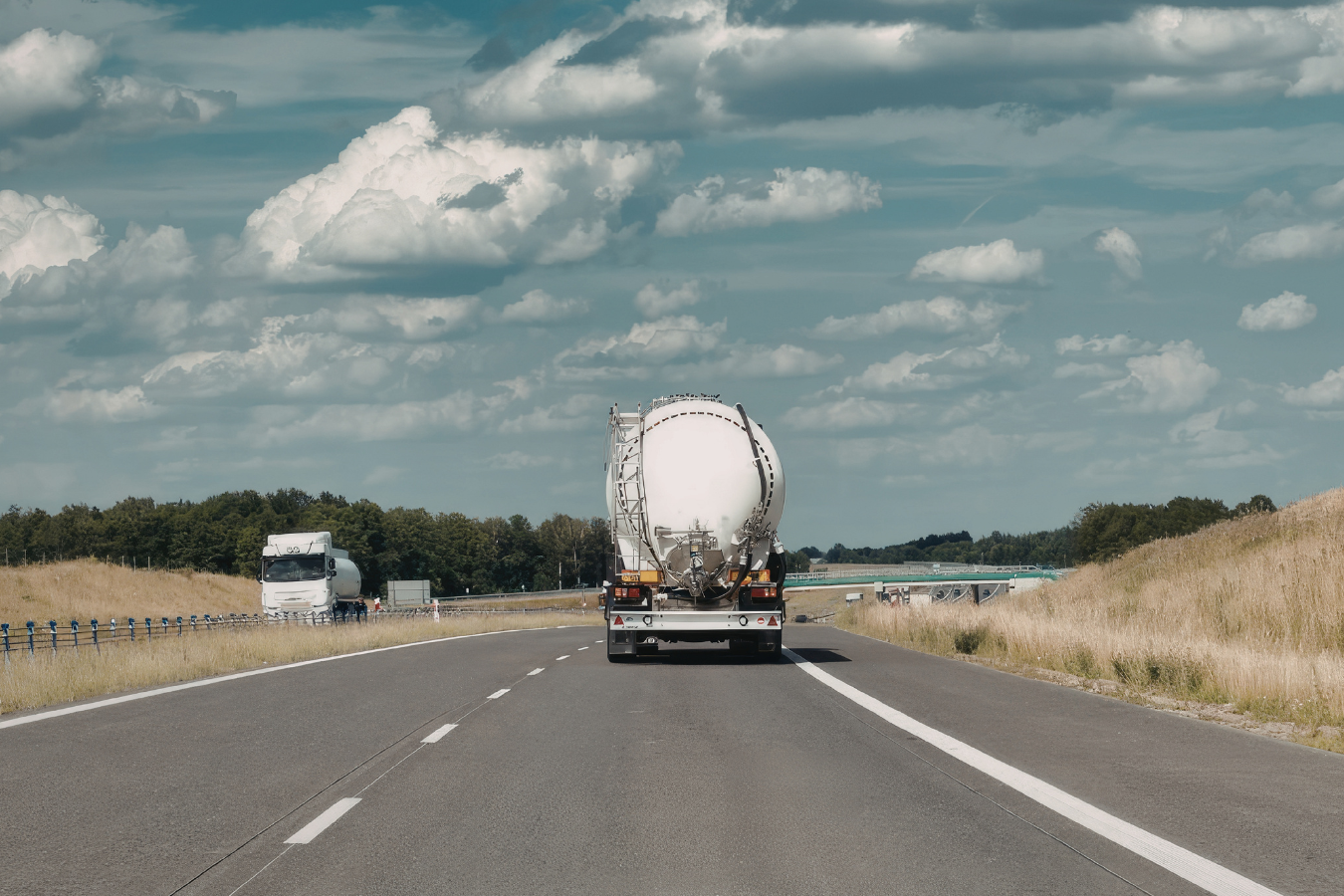
An owner-operator is a self-employed truck driver who owns or leases their truck and runs it as an independent business. Unlike a company driver, who drives the employer's truck, an owner-operator is responsible for finding freight, managing expenses and running every part of the operation.
Owner-operators typically work under one of two models:
- Leased to a carrier: you run under an established trucking company's authority and benefit from its freight network, fuel discounts and back-office support, trading some control for more consistency.
- Own authority: you run under your own MC number, deal directly with brokers and shippers and keep a larger share of each load, with more control, more responsibility and more risk. Our guide on how to start a hot shot business gives a practical look at what it takes to get started.
What Owner-Operator Work Looks Like Day to Day
Owner-operator work goes well beyond driving. On any given day, you might search load boards, negotiate with brokers, handle paperwork, manage fuel costs, schedule maintenance and track expenses, all while hauling freight.
Understand this before you make the switch: the freedom is real, and so is the workload. Owner-operator work typically includes:
- Finding and booking loads through load boards, direct broker relationships or a dispatch service.
- Negotiating rates and reviewing rate confirmations before accepting a load.
- Managing all truck maintenance, from routine oil changes to unexpected repairs. When the truck is down, revenue stops.
- Handling invoicing, collections and cash flow.
- Staying compliant with FMCSA regulations, permits, insurance requirements and tax filings.
The Pros of Running Your Own Trucking Business
For the right person, owner-operator trucking offers significant advantages over company driving. These are the strongest reasons drivers make the move:
- Higher earning potential: owner-operators keep a much larger share of each load than company drivers. Operators with their own authority can gross $150,000 to $300,000 or more a year, depending on equipment and lane strategy.
- More control: you choose the loads you haul, the brokers you work with, the routes you run and how many miles you put in. No company policy dictates your day.
- Your loads, your schedule: you decide when to work and when to rest. That flexibility is one of the biggest draws of independent trucking, especially for drivers with families or specific lifestyle goals.
- Fuel card programs and discounts: many fuel card programs offer discounts that help owner-operators reduce their largest variable cost.
- Greater independence: you run your own business, build your own reputation and grow on your own terms. For many drivers, that sense of ownership is worth more than the paycheck.
- Tax advantages: as a self-employed operator, you can deduct fuel, maintenance, insurance, depreciation and other business costs that company drivers can't.

The Cons of Owner-Operator Trucking
The freedom to run your own operation comes with real trade-offs. These are the most common challenges owner-operators face:
- No steady paycheck: unlike a company driver, an owner-operator's income depends entirely on the loads hauled. Slow weeks, breakdowns and payment delays hit the bottom line directly.
- High business costs: truck payments, insurance, fuel, maintenance, permits and taxes are all on you. Operating costs reached $2.26 per mile in 2024, according to the American Transportation Research Institute, and the Bureau of Transportation Statistics tracks these trends every year, which is useful for benchmarking your own numbers.
- No employer benefits: health insurance, retirement contributions and paid time off don't come with the job. You have to budget for them separately, which adds to the real cost of independence.
- Administrative burden: finding loads, handling paperwork, staying compliant and chasing payments all take time away from driving, and many operators underestimate this before they start.
- Cash flow gaps: broker payment terms of 30 to 90 days can create serious cash flow problems, especially early on.
- Maintenance responsibility: when your truck needs repairs, you pay the bill and absorb the downtime. A major breakdown without reserves can stall the entire operation.
Company Driver vs. Owner-Operator: How the Numbers Compare
Choosing between company driving and owner-operator trucking comes down to risk tolerance, financial readiness and what you want from your career. Here is how the two paths compare:
- Company driver: steady pay, no overhead, fuel and maintenance covered by the employer, a predictable schedule and benefits. Lower earning potential but far less financial risk, which makes it a good path for drivers building experience or who prefer stability.
- Owner-operator: higher gross earnings, full control over loads and routes, more independence and the chance to build equity in a business, with full financial responsibility for every cost.
According to FMCSA registration data, 91.5 percent of U.S. carriers operate ten or fewer trucks. Most owner-operators start as company drivers, gain experience, build savings and move to their own authority when they are financially ready.
Is Owner-Operator Trucking Worth It in 2026?
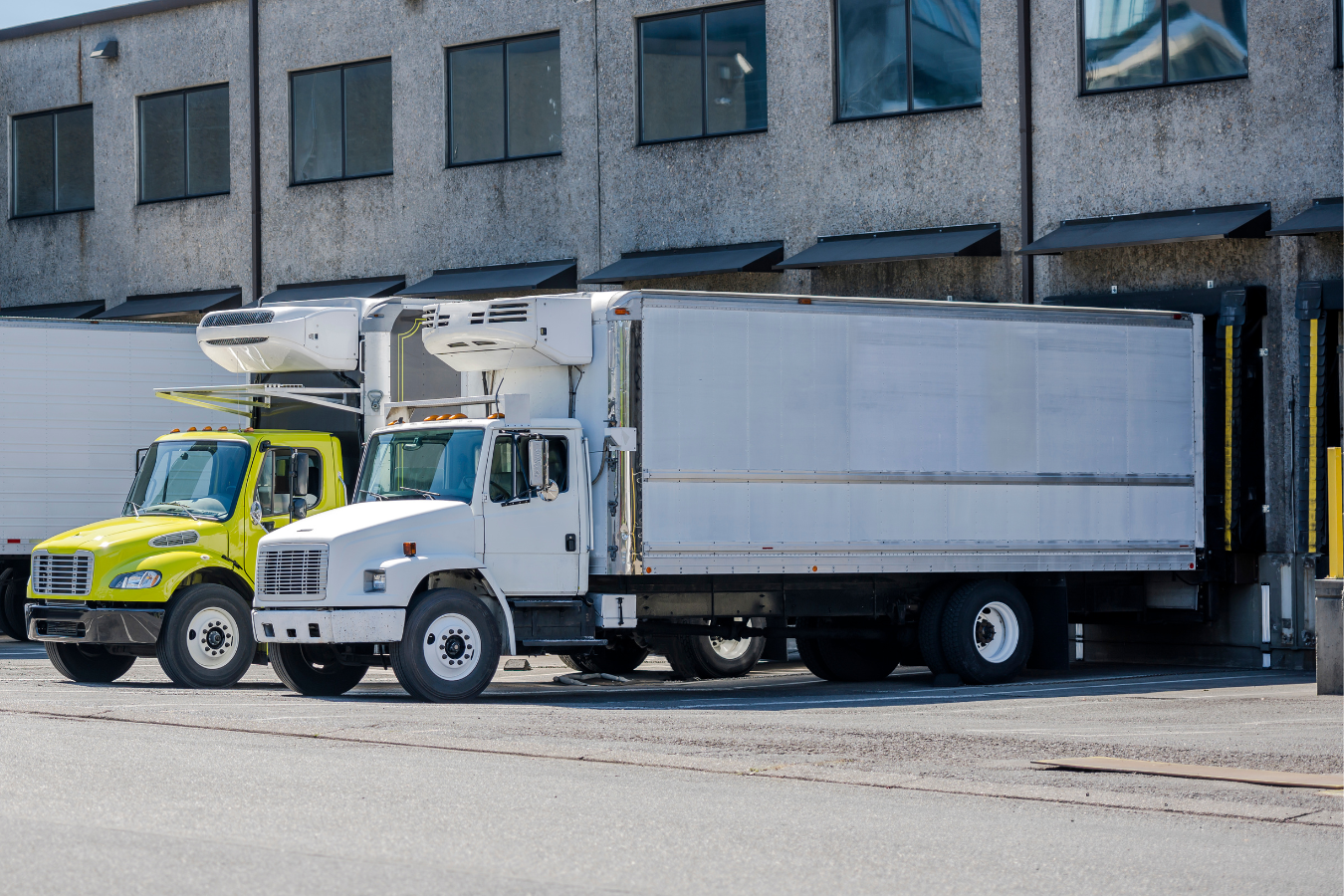
The freight market in 2026 is stabilizing after a difficult two-year cycle. Rates are improving in key lanes, capacity is tightening and operators who survived the downturn are well positioned. According to the American Trucking Associations, trucks move over 70 percent of all domestic freight, so reliable independent carriers will stay in demand.
Owner-operator trucking is worth it in 2026 for drivers who:
- Have at least one to two years of experience and a solid understanding of their cost per mile.
- Have adequate cash reserves; many industry veterans recommend $15,000 to $30,000 before going independent.
- Are prepared to treat the operation as a business, not just a driving job.
- Have a cash flow plan from day one, through savings or a line of credit.
- Are willing to put in the work to build broker relationships and develop consistent, profitable lanes. OOIDA offers education and resources for independent carriers who are just starting out.
If you aren't ready yet, staying on as a company driver while you build savings and industry relationships is the smarter path.
How EverHaulin Helps Owner-Operators Succeed
Running a successful owner-operator business is easier with the right support. EverHaulin works with independent carriers across the USA and Canada to solve their biggest day-to-day problem: finding profitable freight.
Our dispatch services handle load searches, broker negotiations, rate confirmations and check calls so you can stay focused on driving. We work with dry van and reefer, hotshot, box truck, power only and flatbed operators for a straightforward, agreed percentage of your weekly gross.
See our pricing page for details, or contact us today to get started.