

Most owner-operators know they need trucking boards to find freight. These online marketplaces connect freight brokers, shippers and carriers, matching available shipments with empty trucks by trailer type, pickup location, destination, weight and date. Their core function is real-time freight matching, and the biggest boards connect a large network of drivers and freight professionals.
What many drivers don't realize is that not every board suits every truck. Using the wrong platform, or any board without a clear strategy, means empty miles, low rates and lost time. This guide explains how load boards differ by equipment type, which platforms matter most and how to get more from every search.

Why Trucking Boards Drive the Spot Market
According to the American Trucking Associations, trucks hauled 11.27 billion tons of freight in 2024, 72.7 percent of all domestic tonnage, and much of the spot market is served by small carriers rather than large fleet contracts. FMCSA registration data shows that 91.5 percent of U.S. carriers operate 10 or fewer trucks. For these operators, load boards aren't optional; they are the foundation of how freight gets found, and carriers of every size rely on them.
Which Trucking Boards Work Best by Equipment Type
The biggest mistake is treating every load platform the same. Good boards let you filter by trailer type and match your available capacity to posted freight, which helps you plan routes and reduce empty miles. Here is how to match your equipment to the right freight sources:
- Dry van and reefer: the highest load volume on every major board, but spot rates are competitive. Real-time listings make finding freight fast, so focus on rate-per-mile filters, trailer type and broker credit scores. EverHaulin's dry van and reefer dispatch targets the best-paying lanes.
- Hotshot: time-sensitive and regional, and not every general board has strong hotshot volume. Filtering by trailer type helps, but getting hotshot loads consistently comes down to platform choice and timing. EverHaulin's hotshot dispatch service is built for this equipment.
-
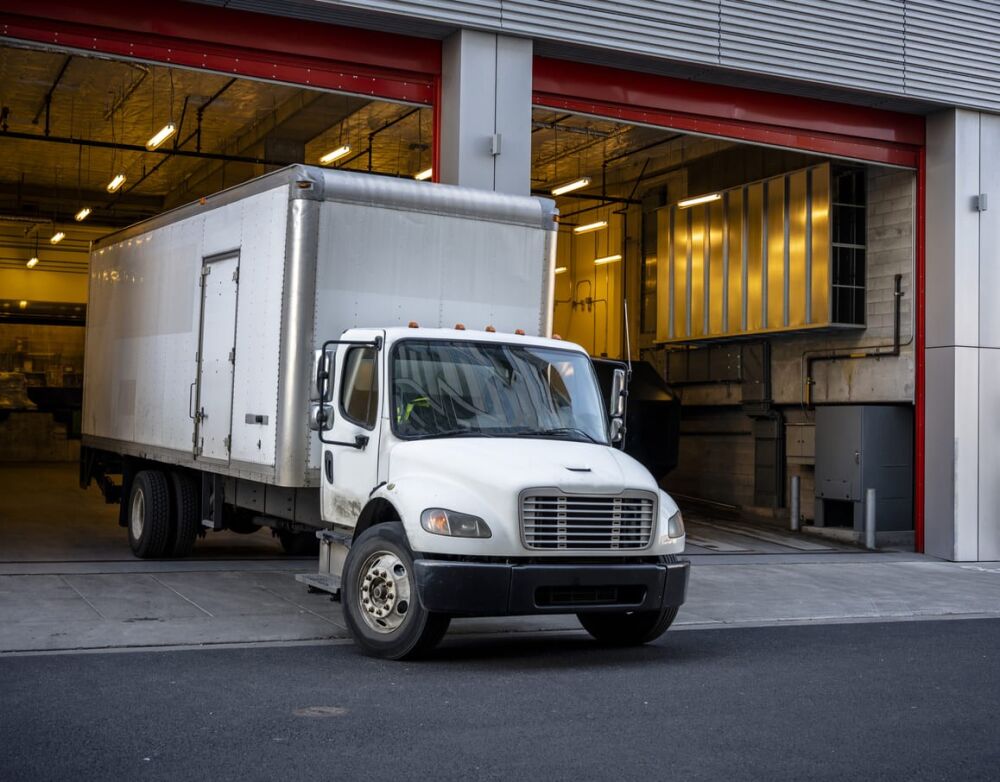
- Box truck: heavy competition keeps rates tight, and the best-paying freight often moves through broker networks before it is posted. Set specific trailer-type filters and use boards with instant booking to find freight that matches your capacity. Learn how to get loads for a box truck, or use EverHaulin's box truck dispatch service to tap into established broker relationships.
-
- Power only: fast-growing, but inconsistently categorized on general boards, so filter carefully by trailer type and other criteria. EverHaulin's power only dispatch includes backhaul planning to cut deadhead miles.
-
- Flatbed and step deck: strong rates for qualified operators, where permits, securement knowledge and oversized experience matter. Filter for your exact equipment and build relationships with brokers on your preferred lanes, or use our flatbed dispatch service.
With thousands of loads available, boards help carriers reduce idle time and increase revenue per mile. Many also help with route planning by calculating fuel and mileage, and let you set alerts so you are notified the moment a load matches your truck posting.
The Major Trucking Load Platforms
When choosing a load board, compare features, pricing, user reviews and mobile apps to find the best fit for your business. Major providers include DAT, Truckstop, 123Loadboard and Direct Freight, and most experienced operators use two or three platforms depending on their equipment. Here is how the main options compare:
-
DAT: the largest load board in North America, with strong volume across all equipment types and leading lane rate analytics. The DAT One app comes with every subscription and is the most widely used load board app among truckers.
-
Truckstop: broad broker coverage with carrier verification and payment history tools. Popular with dry van, reefer and flatbed operators.
-
123Loadboard: affordable and beginner-friendly, with solid load volume and a free mobile app for finding loads anytime, anywhere. A practical starting point for new owner-operators.
-
Direct Freight: known for its user-friendly interface, with real-time postings, email alerts and document management tools. Its digital documents and TMS integration reduce manual paperwork for carriers and shippers.
-
Trucker Path: a mobile-first platform popular with hotshot and box truck operators, known for its driver app with load access, GPS tools and a large driver community.
-
Amazon Relay: shipper-direct freight with fixed rates and no broker negotiation. Good for predictable volume in high-density markets.
Free load boards let carriers find and book freight at no cost. They often offer mobile apps, high daily load volume and integrations, but with fewer advanced features and more variable load quality; C.H. Robinson, for example, offers a free board with instant booking. Free boards suit smaller carriers and new entrants, while paid boards typically add greater visibility, advanced tools, rate data and better load opportunities.

How to Get More Out of Every Search
Having access to a platform isn't the same as using it well. These habits separate operators who find profitable freight from those who take whatever shows up:
-
Use freight matching tools. Real-time updates and advanced search options connect you with suitable loads quickly.
-
Know your cost per mile before you search. The American Transportation Research Institute found that operators who know their operating costs earn meaningfully more per mile than those who don't.
-
Filter by rate per mile, not total load value. A high-dollar load with 400 miles of deadhead isn't a good load.
-
Check every new broker's payment history. The Bureau of Transportation Statistics tracks freight market activity, but your best intel comes from the credit tools built into the major boards, which show credit scores, average days to pay and reviews so you can avoid unreliable partners.
-
Build preferred lanes. Consistent routes let you negotiate from experience and develop broker relationships that bring better loads over time.
-
Don't rely only on public boards. Good freight often moves before it is posted, and a professional dispatch service with established broker relationships can reach it.

When a Dispatcher Is Worth More Than a Board Subscription
Every hour on load boards is an hour you aren't driving, and most small carriers are dispatching, driving, handling paperwork and trying to grow all at once. A dispatcher takes board searches, broker negotiations, rate confirmations and check calls off your plate. EverHaulin charges a straightforward, agreed percentage of your weekly gross; see our pricing page for details.
The Bottom Line
Trucking boards are essential, but on their own they aren't a complete freight strategy. Profitable operators combine the right platforms with strong negotiation and lane discipline. We work with dry van, reefer, hotshot, box truck, power only and flatbed operators across the USA and Canada. Ready to stop guessing and start running a tighter operation? Contact us today.