

Every owner-operator has watched an empty trailer sit while the bills keep coming. Free load boards promise a fix: thousands of loads posted every day, searchable from your phone, with no subscription fee. For truckers watching every dollar, free access to freight sounds like the perfect deal.
Sometimes it is. Free load boards are a legitimate way to find loads and keep your truck moving. But "free" is measured in dollars, not hours, and the hours are where these platforms get expensive. Here are the real pros and cons, and how to protect your earnings along the way.
What Free Load Boards Are and How They Work
A load board is an online marketplace where freight brokers and shippers post loads and carriers search for freight that fits their equipment, lanes and schedule. You log in on a computer or through the app, filter by pickup location, destination, weight and trailer type, then call or bid on loads. Real-time updates keep listings fresh, helping you make informed decisions and cut empty miles between deliveries.
The difference between free and paid load boards is the paywall. Paid boards charge a monthly subscription and offer advanced search tools, rate data, truck-to-load ratios and average lane rates, plus more volume and better load visibility. A free trucking load board skips the fee, but the limitations are real:
-
Fewer available loads. Most free platforms carry a smaller share of the freight market, so good loads get claimed fast.
-
Limited search tools. Free boards may cap daily searches and usually lack the advanced filters that save real time.
-
No detailed rate history. Many free boards won't show what a lane has paid before, so you negotiate without a benchmark.
.png "free load boards")
The Pros of Using a Free Load Board
Plenty of carriers run entirely on free platforms, and the benefits are real.
You Find and Book Loads on Your Own Terms
Nobody controls your calendar but you. You choose the lanes, the pickup and delivery windows and the freight you haul. That control is why many truck drivers stick with self-dispatch, paired with a smart approach to finding truck loads.
No Fees Eating into Your Earnings
Free means free: every dollar of every load stays in your business. For a single-truck operation managing tight cash flow, skipping a subscription is a simple way to save money.
Direct Relationships with Freight Brokers
On a free board, you represent yourself. You talk directly with brokers and shippers, negotiate your own rates and build a network of contacts. That direct access leads to repeat business: haul reliably for reputable brokers and they will call you before freight hits a public board.
More Choices Across Multiple Platforms
Because signing up costs nothing, experienced carriers use several free platforms at once. More boards mean more loads to compare, so you can land the right freight instead of settling for the first posting.
The Cons of Free Load Boards
The trade-offs are real, and most of them show up on the clock, not the invoice.
Finding Available Loads Takes Hours
Searching, refreshing, calling and negotiating are a job in themselves. Every hour spent working a board is an hour you aren't driving, and slow days can mean deadhead miles while you hunt for the next pickup. Our guide to trucking boards covers how to work these platforms well.
Heavy Competition for Available Freight
The best load on any free board draws dozens of calls within minutes. That competition pushes rates down, and brokers know it. If you can't answer because you are behind the wheel, another carrier books it.
No Credit Scores or Rate Data
Free boards rarely include broker credit scores or payment history, so you may haul for a company without knowing whether it pays in 30 days, 90 days or at all. Without rate data, you are negotiating blind against brokers who watch the market all day.
Every Free Load Comes with Back-Office Work
Rate confirmations, BOLs, invoicing and collections come with every load, and all of it lands on you. An owner-operator juggling driving, dispatch and admin has less capacity left for the work that grows the business.
Dry Van Loads, Box Trucks and the Equipment Problem
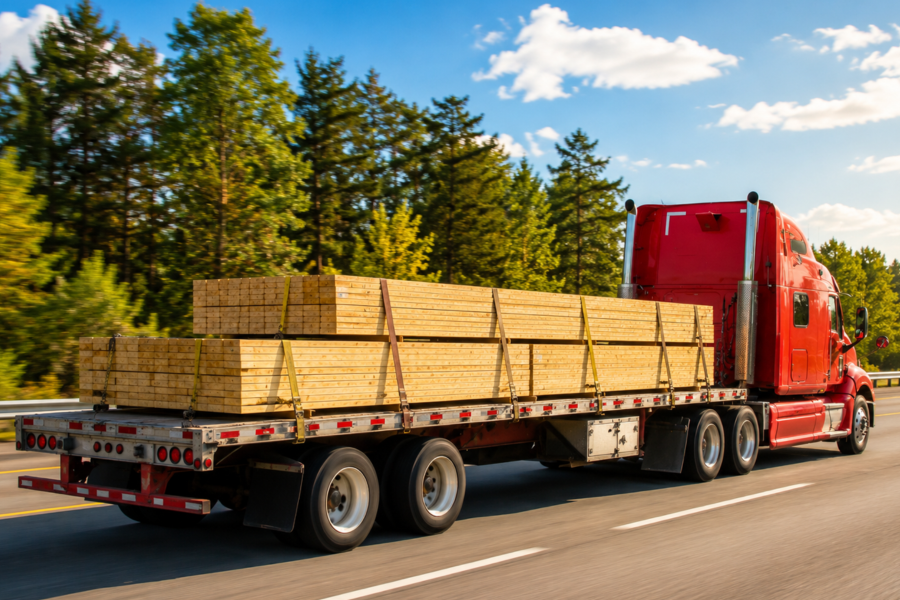
Load boards are built around the most common freight in the system: dry van loads on 48- to 53-foot trailers. Pull a van or reefer and you will see plenty of postings, and dedicated dry van dispatch support helps separate good loads from cheap ones. Power only and flatbed operators also find steady demand.
Why Finding Box Truck Loads on a Load Board Is Harder
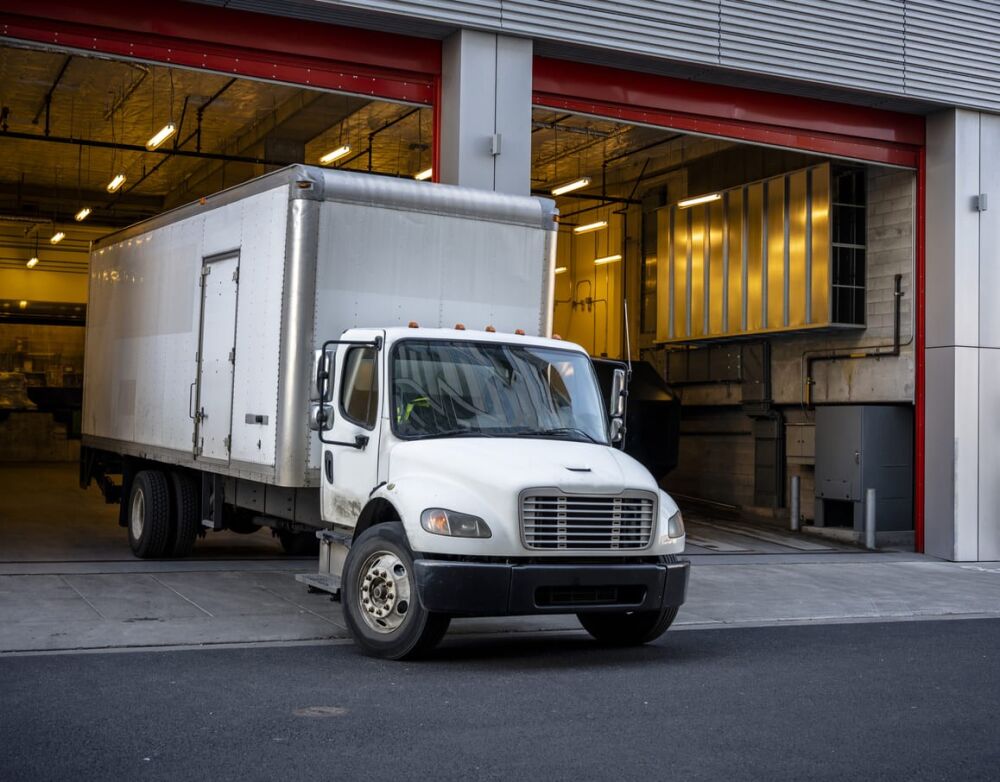
Box trucks are a different story. Most posted freight is sized and priced for semis, so box truck loads are scarcer, and the low cost of entry means more drivers competing for each one. Filter hard by equipment and weight, and target niches where straight trucks win, such as expedited and final-mile freight. Our guide to getting loads for box trucks goes deeper, and our box truck dispatch team works freight that never reaches a public load board.
How to Choose the Best Load Board for Your Business
If you go the free route, choose your platforms deliberately. A short list of well-chosen tools beats a dozen accounts you never open. Look for:
-
Strong filters. Searching by equipment, weight, lanes and locations saves more time than any other feature.
-
A usable mobile app. You book freight from truck stops and docks, not a desk, so mobile features and reliable load alerts matter.
-
No strings attached. Some "free" boards are limited-time trials in disguise, so read the fine print before building your system around one.
Vet Brokers and Shippers Before You Haul
Whoever posts the load controls whether you get paid, so verify before you commit. Check operating authority through FMCSA registration records, use owner-operator resources from OOIDA and benchmark lanes against freight movement data from the Bureau of Transportation Statistics. Industry research from the American Trucking Associations and federal trucking employment data show where demand is heading. Above all, know your cost per mile so every bid protects your earnings.
.png "free load boards")
When a Business Partner Beats Doing It All Alone
Free load boards solve one problem: finding freight without a fee. They don't solve the problem that sinks trucking businesses: time.
A professional truck dispatch service works the load boards and its broker relationships on your behalf, negotiates rates and handles the paperwork so you stay on the road. EverHaulin Logistics charges a straightforward percentage of gross revenue with no admin fees; see our pricing for details.
Keep Your Trucks Loaded
Free load boards are a genuine tool for owner-operators: no fees, full control, direct broker relationships and enough freight to keep a truck busy. What they cost you is time, competition and information. If you would rather spend your hours hauling while a dedicated team searches and negotiates, reach out to EverHaulin Logistics and put a dispatcher in your corner.