
Every owner-operator feels the difference between good and bad dispatch. It shows in your settlements, in how often your truck sits empty and in the hours lost to phone calls and paperwork. Behind it is something most drivers never see: dispatcher training. The person booking your freight either learned the work properly or didn't, and you pay for the gap.
This guide covers what dispatcher training includes, what a freight dispatcher does and the standard you should expect from anyone handling your loads. Whether you self-dispatch or hire a professional, knowing what good training looks like helps you judge the dispatch service you pay for.
At EverHaulin Logistics, our professional dispatch services are built on that standard, backed by more than five years of hands-on dispatch experience, so your truck stays loaded.
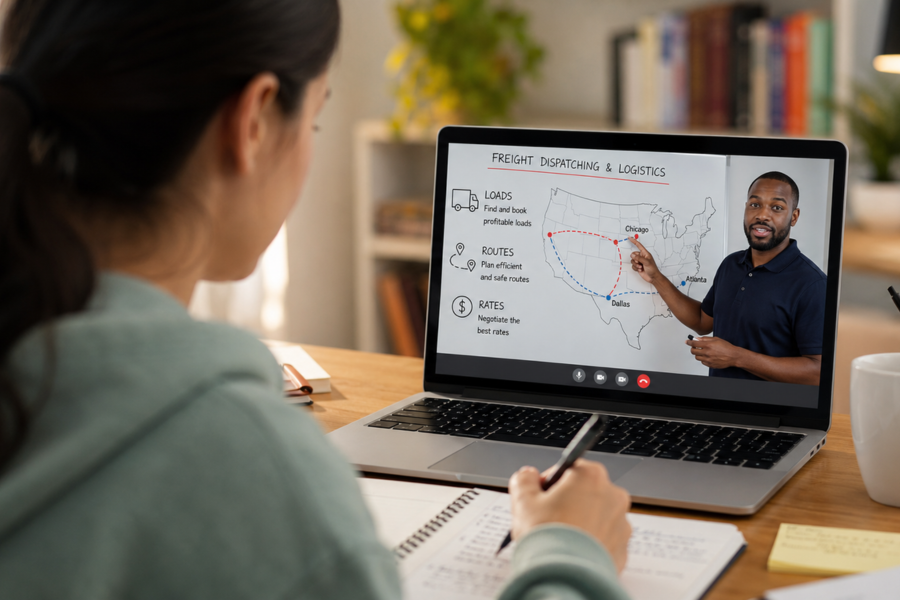
What Dispatcher Training Actually Covers
Quality dispatcher training focuses on practical logistics knowledge and operational skills, not theory. A good program teaches what keeps freight moving: how load boards work, how to plan routes, how to negotiate and read rate confirmations and how to stay within federal rules. Becoming a dispatcher starts with mastering freight fundamentals and load board operations.
-
Load planning, booking, rate negotiation and regulatory compliance form the core of most courses, because these tasks decide whether a truck runs profitably or sits still.
-
Trainees learn standard truck types, industry terminology and shipping documents, so they can talk freight and read a rate confirmation without guessing.
-
Programs cover dispatch software and logistics tools, since dispatchers rely on digital platforms, mobile apps and spreadsheets to track every load, manage transportation data and keep tabs on equipment.
-
Thorough training also covers regulations and documentation: the paperwork that follows a load from pickup to delivery.
The barrier to entry looks low. Many online dispatcher courses cost under $100, and most programs take two to four weeks, often around 40 hours of on-demand instruction. Some cover only the basics, while others go deeper into route planning and load tracking and award a certificate of completion.
The Core Responsibilities of a Freight Dispatcher
A freight dispatcher is the link between shippers, brokers and carriers, and the job goes well beyond finding a load. A dispatcher manages driver schedules and delivery routes, coordinates delivery details and timelines with customers and keeps freight moving.
-
Planning the best routes, so the truck runs loaded miles instead of empty ones and arrives on realistic schedules.
-
Tracking drivers' logs, orders and arrival times, and getting ahead of problems before they cost a load.
-
Completing shipment paperwork, invoices and dispatch documents, and handling rate confirmations with every broker.
-
Handling customer questions and complaints, plus the administrative work behind every shipment.
That is why the core skills for truck dispatchers are communication, problem-solving, organization and comfort with technology. A dispatcher juggling several drivers can't drop details, and strong communication and organization separate a dispatcher who keeps your truck rolling from one who keeps you waiting.
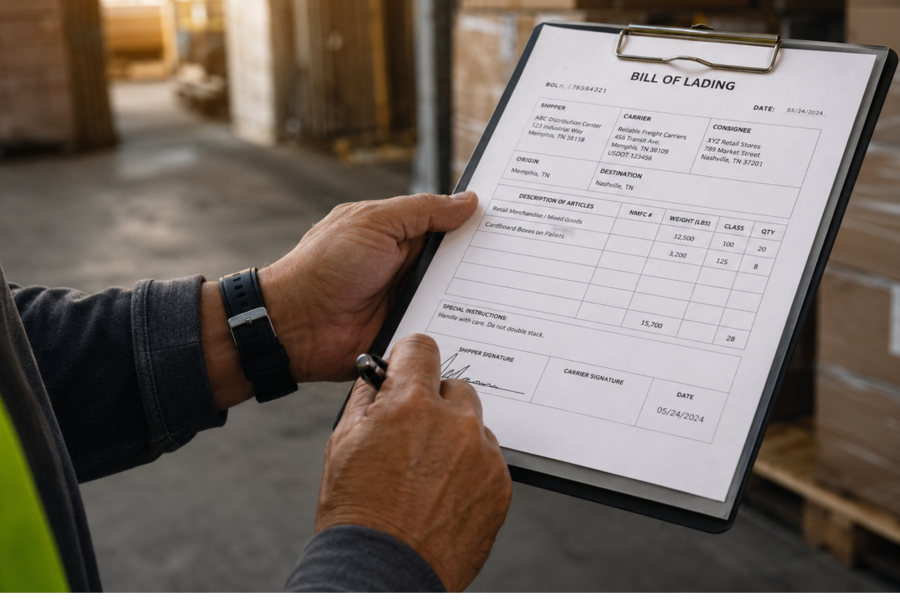
FMCSA Regulations Your Dispatcher Has to Know
Good dispatch is legal dispatch. Training should cover the rules of the Federal Motor Carrier Safety Administration, which governs how freight moves on U.S. roads. A dispatcher who doesn't know FMCSA regulations can book a load that puts you over your hours or weight limits, and that lands on your authority.
-
Hours-of-service rules limit what a dispatcher can schedule, so routes and arrival times must fit your legal drive time.
-
Weight limits and axle rules decide which loads fit your equipment, and freight over federal size and weight standards risks fines and downtime.
-
Safety regulations cover inspections and cargo securement, and a trained dispatcher factors them into every booking.
Why FMCSA Compliance Protects Your Authority
FMCSA compliance protects the business you have built. When your dispatcher keeps every load within federal rules, you stay legal, insured and paid. Cutting corners might book a quick load today, but a compliance problem can park your truck tomorrow. An experienced dispatch company treats compliance as part of the service, and dispatch done right keeps your authority clean.
Should You Dispatch Yourself or Hire a Professional?
Some owner-operators consider dispatching themselves or even starting their own dispatch business, and many enjoy having full control. No license is required, and dispatching can be done from a laptop on a flexible schedule. But the choice between doing it yourself and hiring a dispatch service comes down to time.
-
Dispatching yourself means doing two jobs at once: driving the truck and working the phones. Every hour on load boards is an hour you aren't driving or resting.
-
Broker relationships take time to build. Brokers give their best, highest-paying freight to dispatchers they trust, and that trust is earned over months.
-
The freight market moves constantly, so staying on top of rates and lanes is a full-time skill on its own.
What It Takes to Become a Truck Dispatcher
If you do want to learn, the requirements are lighter than you might expect. No federal license is required to work as a truck dispatcher in the U.S., and no college degree is needed; a high school diploma is the usual minimum. Many people move into dispatching from a related logistics role or after years as a truck driver. Some join Facebook groups for shared lanes and broker lists, but shortcuts only go so far: the skills are real, and many are learned on the job.
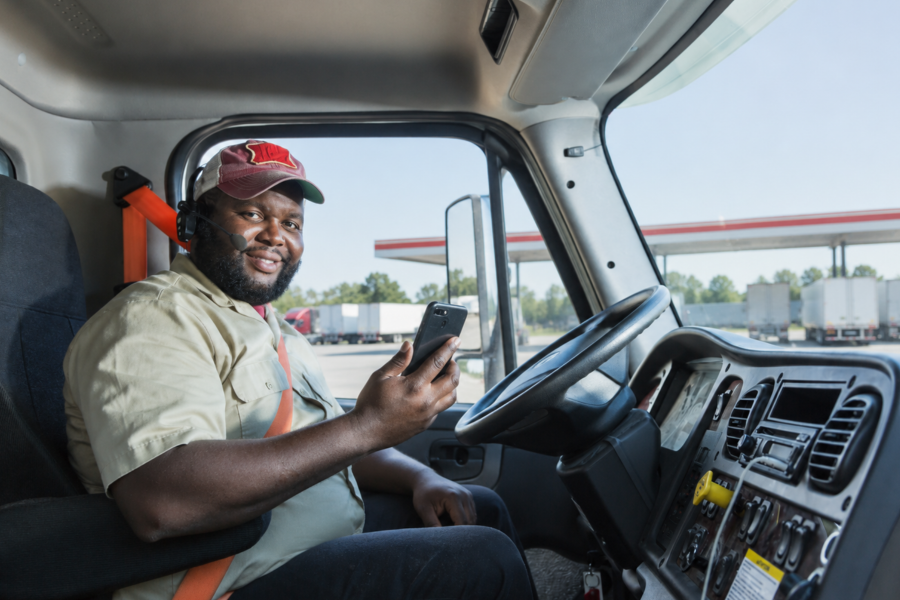
Entry-Level vs. Experienced Dispatchers
Not all dispatchers are equal, and it shows in your settlements. Entry-level dispatchers are easy to find, but a new dispatcher and a seasoned one produce very different results. Experienced dispatchers know which brokers pay, which lanes are running and how to hold a rate, and that experience is the edge you are paying for.
The Career Path That Builds a Great Dispatcher
A dispatcher's career starts with the basics and grows through repetition. Many begin with simple loads, learn how dispatching works and move up while building relationships and judgment. Freight transportation rewards people who keep learning, because the industry and the market never stop changing.
How Dispatchers Gain Experience
Dispatchers gain experience the way drivers do: load after load. Prior experience on the broker side or elsewhere in logistics is a big head start, which is why a dispatcher who has worked real freight outperforms someone who only finished an online course. A successful dispatcher is built through repetition and real broker relationships, not a two-week class.
What Sets an Independent Truck Dispatcher Apart
An independent truck dispatcher works for the carrier, not the broker, so their incentives match yours: most charge a percentage of the load, which means they earn more when you do. Truck dispatchers typically charge 5% to 10% per load, so a good one chases well-paying loads, not just any load. For context, national wage data for dispatchers puts the role in the low-to-mid $50,000s a year, though independents on commission can do better. Groups like the Owner-Operator Independent Drivers Association work to protect small operators' bottom lines.
How Your Dispatcher Works With Freight Brokers
Most freight still moves through brokers, so your dispatcher's broker relationships directly affect your rates. A dispatcher with strong relationships across many brokers and freight agents negotiates from a position of strength. The American Trucking Associations tracks how much of the nation's freight runs through this broker-carrier network.
-
A trusted dispatcher gets the first call on better freight, because brokers send their best loads to dispatchers they rely on.
-
Clean rate confirmations and on-time deliveries build a name brokers remember, which leads to better offers over time.
-
Dispatchers who read the market hold their rates instead of taking the first number offered.
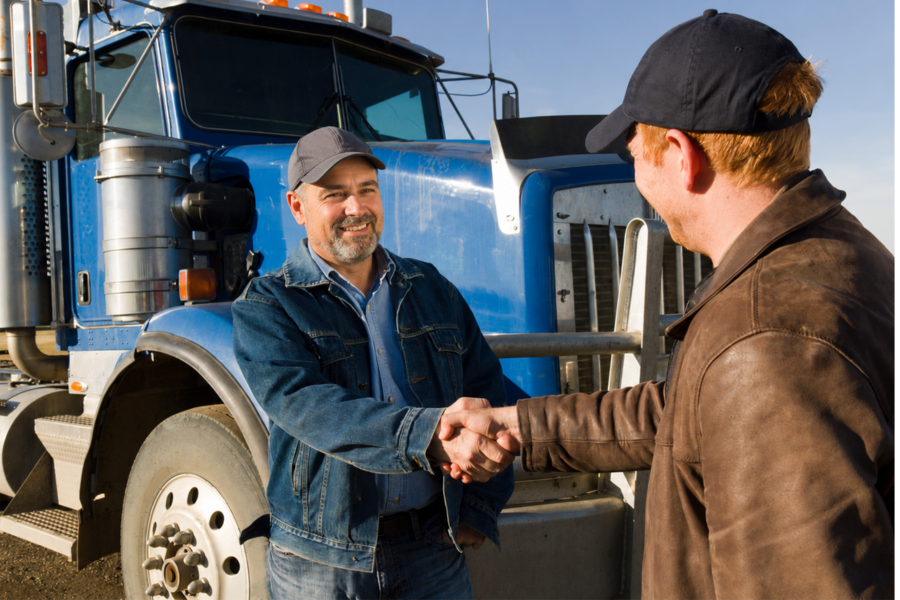
What Carrier Onboarding Looks Like
A professional dispatch service makes onboarding simple, and it all happens remotely. Getting started takes a few documents and a dedicated dispatcher who learns your truck, lanes and goals.
-
Your MC authority, certificate of insurance and a W-9 get you set up; from there, your dispatcher handles the freight while you drive.
-
Whether you run a box truck, power only or hotshot, onboarding pairs you with a dispatcher who knows that equipment.
-
Review our straightforward dispatch pricing upfront: an agreed percentage of your weekly gross revenue.
Want to see the standard in practice? Our truck dispatcher training page shows how EverHaulin prepares the people who book your freight.
The Standard Behind Every Loaded Truck
Dispatcher training is the foundation, but training plus real experience is what keeps a truck loaded and profitable. The right dispatch service finds the right freight, handles the paperwork and protects your authority.
If you want a team that books smart freight, reach out to EverHaulin Logistics and let our trained dispatchers handle the logistics while you focus on the road.