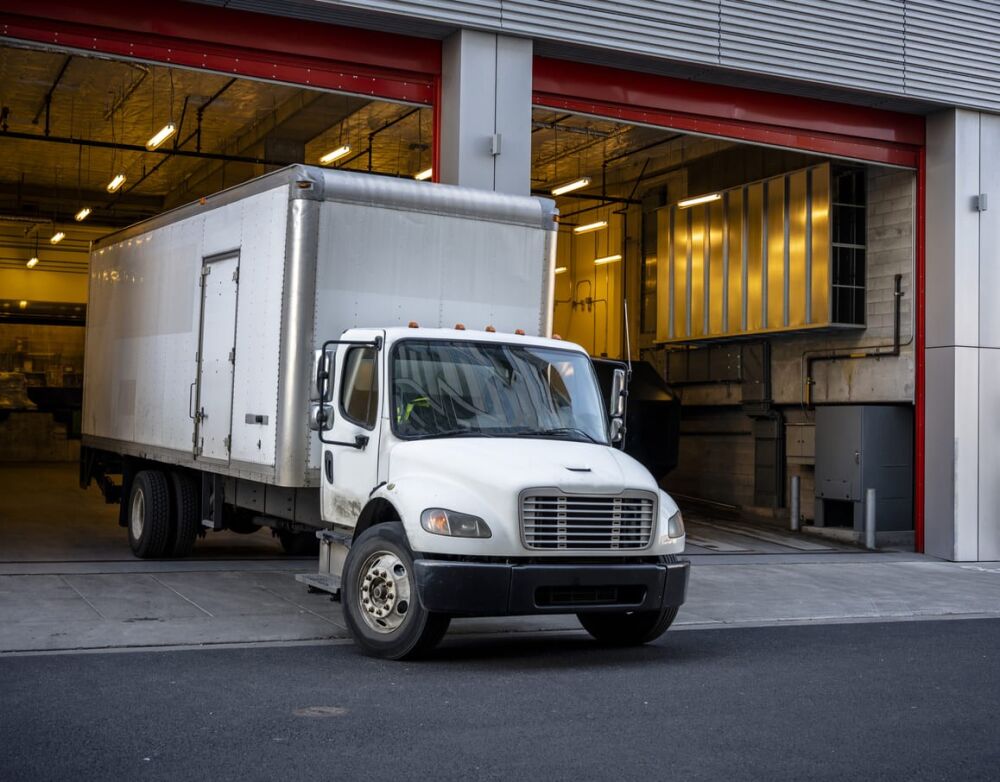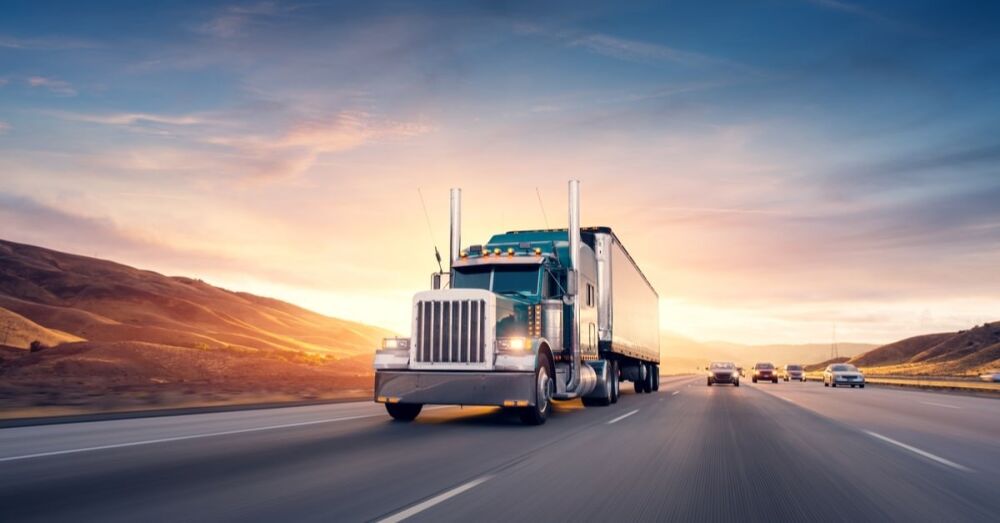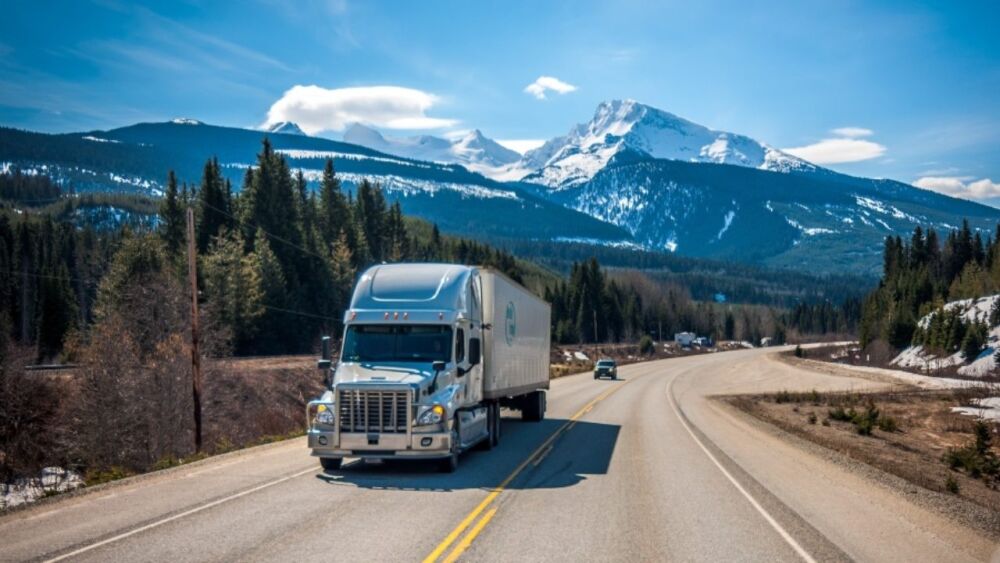

For owner-operators who want to keep their truck moving without spending tens of thousands on a trailer, power only loads are one of the most practical ways to stay loaded. You bring the tractor, the shipper provides a preloaded trailer and you haul it to the destination, with no trailer to buy, no trailer to maintain and far less time waiting at the dock.
Power only trucking has grown quickly as shippers and brokers look for carriers with available power units to move their equipment. This guide explains how power only loads work, the advantages and trade-offs, what you need to start and where to find consistent power only freight.
What Are Power Only Loads?
In a power only load, the carrier supplies only the truck, known as the "power unit," and the shipper or broker supplies the trailer. The trailer is usually preloaded and ready when you arrive, so your job is to hook up, haul the cargo and deliver it.
In traditional trucking, the driver owns both the tractor and the trailer. With power only freight, the shipper keeps control of its trailers while you focus on moving loads from origin to destination. Retail, construction and manufacturing companies with large trailer pools rely on power only carriers when they just need drivers to pull them.
How Power Only Trucking Works
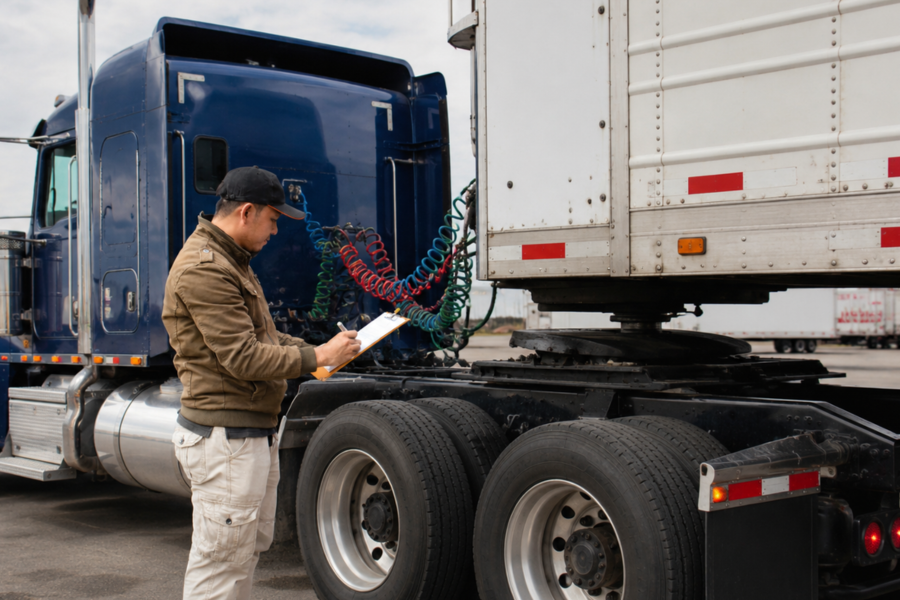
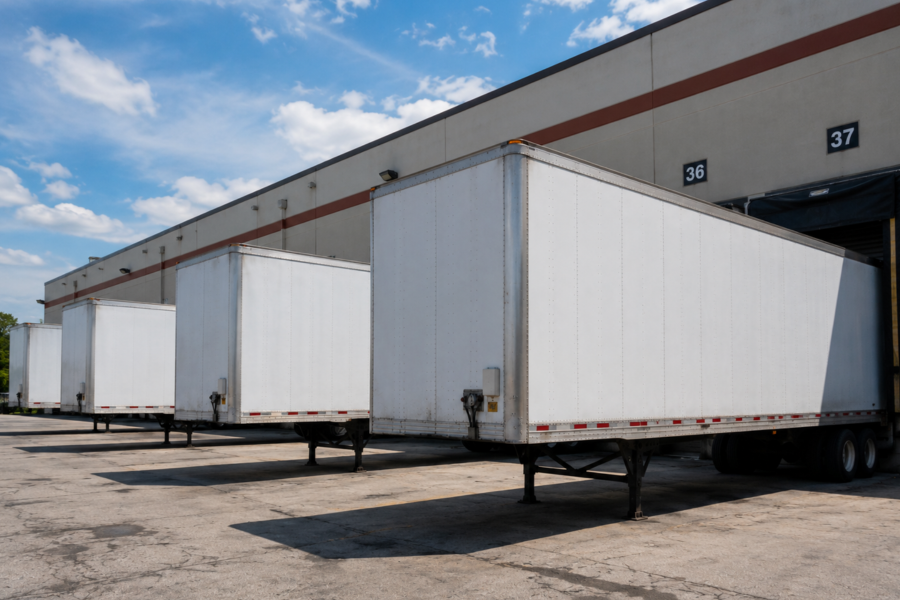
Most power only trucking runs on a drop-and-hook model. Instead of waiting while a trailer is loaded, you arrive, drop an empty if needed, hook to a preloaded trailer and get back on the road, and less waiting means more miles and more money. A typical power only load works like this:
-
You book the load through a broker, shipper or load board, agreeing on the rate, pickup and delivery before you roll.
-
You hook to the shipper's preloaded trailer. A trailer interchange agreement defines who is responsible for the trailer while it is in your care.
-
You haul the freight to its destination, drop the trailer and move on to your next load.
Because the trailer isn't yours, drop-and-hook loads keep your tractor productive and cut the dead time that eats into an owner-operator's day.
Why Owner-Operators Take Power Only Loads
The biggest draw is flexibility. You can pull dry vans, flatbeds and other equipment without buying any of it, so you can say yes to more freight. For new carriers, it is a way to start hauling right after buying a tractor, before saving for a trailer. The main benefits:
-
Lower startup costs, because you skip buying and maintaining your own trailer.
-
Faster turnaround with drop-and-hook operations, meaning less time at docks and more loads per week.
-
Extra capacity work during peak seasons, when shippers need more power units to move freight.
Many drivers pair power only work with our power only dispatch service to stay booked without spending the day on load boards.
The Cost Savings of Skipping Trailer Ownership
A new trailer can cost $20,000 to $60,000 or more, plus maintenance, registration and storage. Power only freight lets you avoid all of that, cutting trailer overhead for a growing business, which is why the model appeals to small carriers and owner-operators who want to grow without heavy debt. Operating cost data from the American Transportation Research Institute shows how quickly equipment and upkeep eat into a carrier's margins.
Without a trailer to manage, you spend less on upkeep and have fewer assets to insure, freeing money for fuel, your tractor or a cushion for slower weeks. For a fleet looking to scale, power units can be added faster and more cheaply than full tractor-trailer combinations. Compare setups on our dispatch pricing page.
Flexibility Across Different Trailer Types
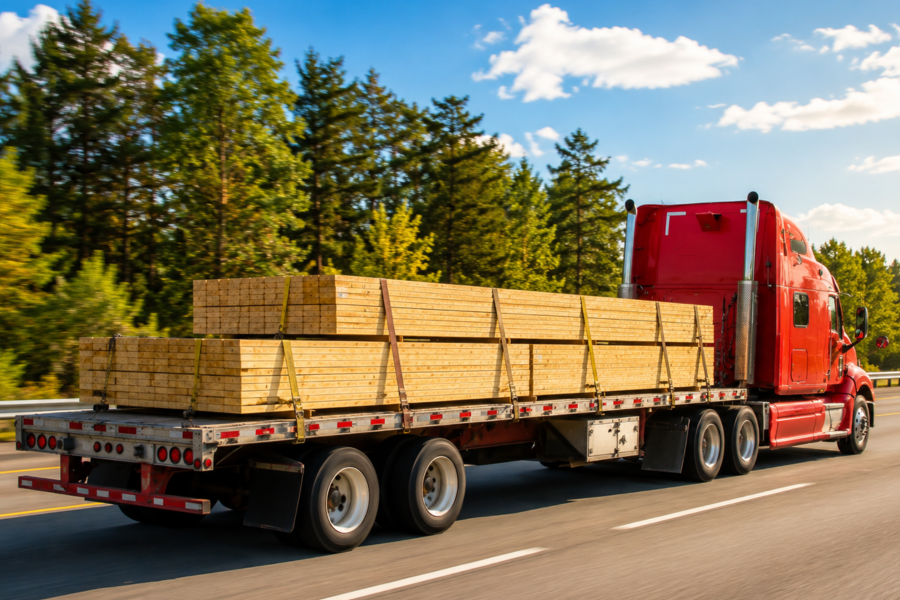
An underrated advantage of power only trucking is variety. You aren't locked into one trailer, so you can pull whatever pays best on your lanes: a dry van one week, flatbed or step deck trailers or shipping containers the next.
That flexibility helps you adapt when demand shifts. If reefer freight slows, you can switch to general freight or drayage work pulling shipping containers, keeping your truck loaded year-round instead of tied to one freight type.
The Trade-Offs to Know About
This model isn't for everyone. Because you haul equipment you don't own, most power only freight requires a trailer interchange agreement and trailer interchange insurance, which covers the trailer if it is damaged in your care. That means extra cost and paperwork. Other trade-offs to weigh:
-
Load availability can be inconsistent, so you may need several brokers and a load board to stay booked.
-
You have less control over equipment condition, since trailer maintenance is the owner's responsibility, not yours.
-
Competition for the best-paying loads can be tough, especially on popular lanes.
None of these is a dealbreaker, but understand them before you run power only full-time.
Where to Find Power Only Freight
Power only freight shows up in the same places as standard truckload work. The most reliable sources are:
-
Load boards, where shippers and brokers post power only loads you can filter, book and manage in one place.
-
Freight brokers that specialize in preloaded trailers and often have steady power only lanes; strong broker relationships connect you to a wider network of opportunities.
-
Direct relationships with shippers and companies that own trailer pools and need consistent power to move them.
Over time, direct relationships take you off the spot market and into more predictable work. A good truck dispatch service can also keep your tractor moving by sourcing power only loads and negotiating rates, so you spend less time searching and more time driving.
Using Load Boards to Find Power Only Loads
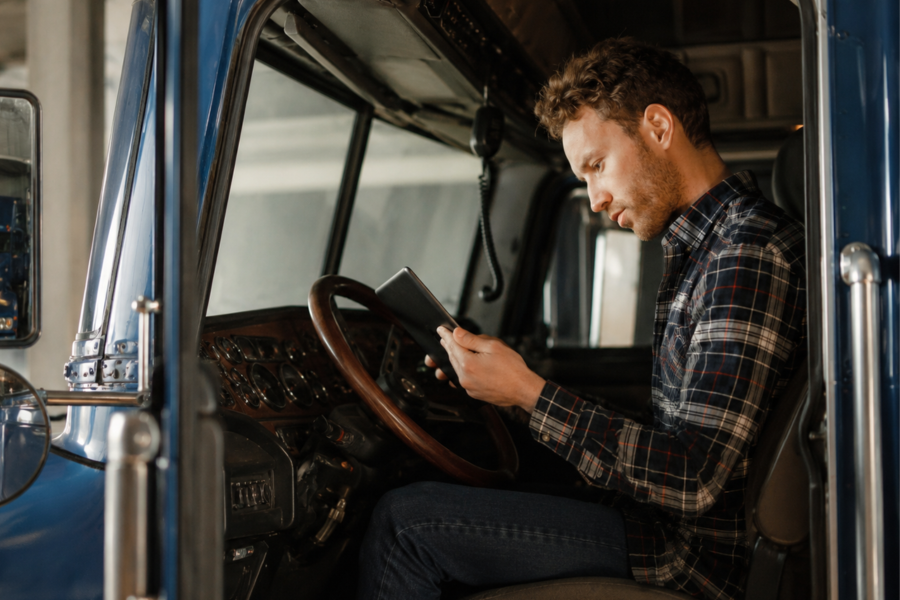
A load board is the fastest way to see what power only freight is available on your lanes right now. Most boards let you filter by trailer and load type, so you can search specifically for power only loads and check rates before booking. The Owner-Operator Independent Drivers Association offers guidance on rates and contracts to help you judge whether a load is worth taking.
If you are new to these platforms, start with one or two consistent lanes and build a track record before branching out. Our guide to trucking boards and load platforms covers the basics, and posting your available power unit lets brokers come to you.
What You Need to Run as a Power Only Carrier
To run power only under your own authority, you need the basics every owner-operator needs, plus a few specifics:
-
Active operating authority, with MC and DOT numbers registered through the FMCSA, plus the right insurance.
-
Trailer interchange insurance to cover trailers you don't own while they are hooked to your truck.
-
For interstate work, International Registration Plan (IRP) and IFTA accounts tied to the federal apportioned registration system.
Beyond paperwork, you mainly need a reliable tractor and disciplined drop-and-hook operations. Many owner-operators who own trailers still take power only loads to diversify and keep their miles up. Our team can walk you through dispatch options built around how you run.
Keep Your Truck Loaded and Earning
Power only loads give owner-operators a low-cost, flexible way to keep their tractor earning without the burden of trailer ownership. They reward drivers who stay organized, work their load boards and broker relationships and keep their truck moving on the right lanes. If you are ready to take on more power only freight and want a partner to handle the load finding, reach out to the EverHaulin Logistics team and let's get your truck booked.